
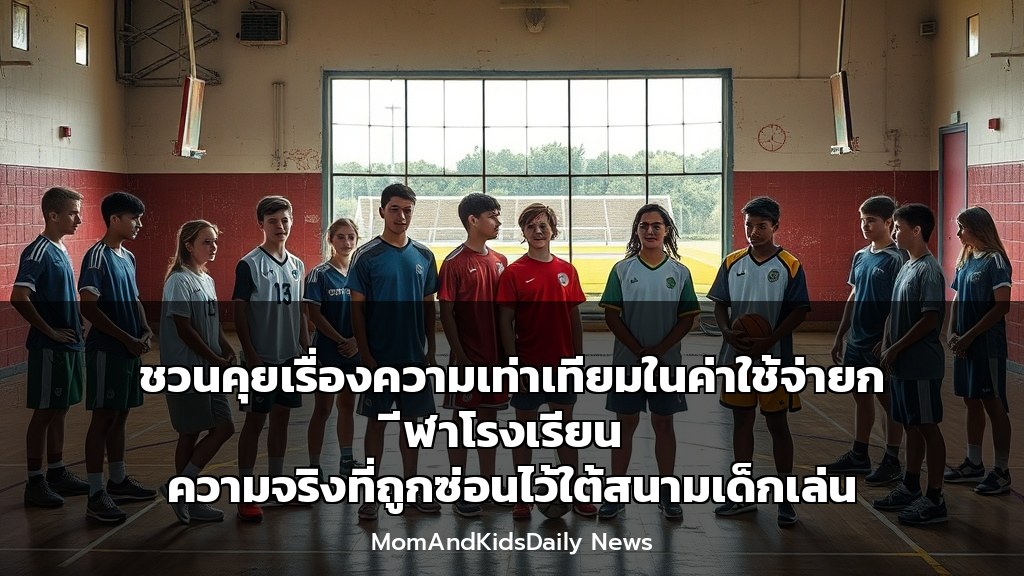
ค่าใช้จ่ายกีฬาโรงเรียน: ความเหลื่อมล้ำที่พ่อแม่ต้องรู้
การเก็บค่าใช้จ่ายสำหรับการเข้าร่วมกิจกรรมกีฬาในโรงเรียน (Sports Participation Fees หรือ Pay-to-Play Policies) กำลังกลายเป็นประเด็นร้อนที่สะท้อนถึงความไม่เท่าเทียมทั้งในระดับนโยบายและการปฏิบัติจริง หลายโรงเรียนในสหรัฐฯ เรียกเก็บค่าธรรมเนียมจากนักเรียนเพื่อเข้าร่วมทีมกีฬา แต่การบริหารจัดการเงินเหล่านี้กลับเต็มไปด้วยความขัดแย้งทางผลประโยชน์และความไม่โปร่งใส ส่งผลกระทบโดยตรงต่อโอกาสในการพัฒนาเด็กและเยาวชน
การวิเคราะห์เชิงลึก: ผลกระทบต่อเด็กและครอบครัว
- ภาระทางการเงินต่อครอบครัว: ค่าธรรมเนียมกีฬาที่สูงขึ้นเรื่อยๆ กลายเป็นอุปสรรคสำหรับเด็กจากครอบครัวที่มีรายได้น้อย ซึ่งอาจพลาดโอกาสในการพัฒนาทักษะทางสังคม การทำงานเป็นทีม และสุขภาพร่างกายที่แข็งแรงจากการเล่นกีฬา
- ความไม่เท่าเทียมระหว่างกีฬา: ข้อมูลจากแหล่งข่าวชี้ให้เห็นว่า โรงเรียนมักให้ความสำคัญกับกีฬาที่สร้างรายได้ เช่น ฟุตบอลและบาสเกตบอล มากกว่ากีฬาประเภทอื่น ส่งผลให้กีฬาเล็กๆ เช่น วอลเลย์บอล มวยปล้ำ หรือฮอกกี้ ได้รับอุปกรณ์ที่ชำรุดและขาดการสนับสนุน
- การขาดความโปร่งใสในการกำหนดค่าธรรมเนียม: กฎหมายของหลายรัฐอนุญาตให้โรงเรียนเรียกเก็บค่าธรรมเนียม แต่มีเพียงไม่กี่รัฐที่กำหนดให้ต้องแจ้งที่มาและวิธีการคำนวณค่าธรรมเนียมให้ผู้ปกครองทราบอย่างชัดเจน ทำให้เกิดช่องว่างในการตรวจสอบ
- ผลกระทบต่อพัฒนาการทางอารมณ์: การที่เด็กรู้สึกว่ากีฬาที่ตนเองเล่นไม่ได้รับการดูแลหรือมีคุณค่าเท่ากับกีฬาอื่น อาจส่งผลต่อความภาคภูมิใจในตนเองและแรงจูงใจในการออกกำลังกายในระยะยาว
- การเลือกปฏิบัติทางอ้อม: การกระจายงบประมาณที่ไม่เป็นธรรมอาจสร้างความรู้สึกไม่เท่าเทียมในหมู่เด็กนักเรียน ซึ่งขัดต่อหลักการพัฒนาการเด็กที่ควรได้รับการส่งเสริมให้ทุกคนมีโอกาสเท่าเทียมกัน
ข้อเสนอแนะสำหรับผู้ปกครองและโรงเรียน
- ผู้ปกครองควรสอบถามโรงเรียนเกี่ยวกับนโยบายค่าธรรมเนียมกีฬาและขอรายละเอียดการใช้งานเงินอย่างโปร่งใส
- โรงเรียนควรจัดตั้งกองทุนช่วยเหลือสำหรับนักเรียนที่ต้องการความช่วยเหลือทางการเงินเพื่อเข้าร่วมกิจกรรมกีฬา
- ควรมีการจัดสรรงบประมาณอย่างเป็นธรรมโดยพิจารณาจากความจำเป็นของแต่ละประเภทกีฬา ไม่ใช่เพียงจากความสามารถในการสร้างรายได้
Full English Translation
Let’s Talk About Equality in School Sports Fees: The Truth Hidden Beneath the Field
The collection of sports participation fees (Pay-to-Play policies) is becoming a hot topic reflecting inequality at both policy and practice levels. Many schools in the U.S. charge fees for students to join sports teams, but the management of these funds is often fraught with conflicts of interest and a lack of transparency, directly impacting children’s development and opportunities.
In-depth Analysis: The Impact on Children and Families
- Financial Burden on Families: Rising sports fees create barriers for children from low-income families, potentially depriving them of opportunities to develop social skills, teamwork, and physical health through sports.
- Inequality Between Sports: Schools often prioritize revenue-generating sports such as football and basketball over smaller sports like volleyball, wrestling, or field hockey, leaving them with worn-out equipment and less support.
- Lack of Transparency in Fee Setting: While laws in many states allow schools to charge fees, very few require schools to disclose how fees are calculated to parents, creating a loophole for oversight.
- Impact on Emotional Development: Children feeling that their sport is undervalued compared to others can negatively affect their self-esteem and long-term motivation for physical activity.
- Indirect Discrimination: Unfair budget allocation can foster a sense of inequality among students, contradicting child development principles that promote equal opportunities for all.
Recommendations for Parents and Schools
- Parents should inquire about school sports fee policies and request transparent details on how funds are used.
- Schools should establish assistance funds for students needing financial support to participate in sports activities.
- Budgets should be allocated equitably based on the needs of each sport, not solely on their revenue-generating potential.
คำถามที่พบบ่อย (FAQs)
อ้างอิง: Nevada Sports Net – “Can We Talk About The Hypocrisy Of School Sports Fees Please?”