ศาสตร์การเล่นคลื่นบำบัด: แนวทางที่อ่อนโยนแต่ทรงพลังเพื่อสุขภาพจิตเด็กและเยาวชนทั่วโลก
ในยุคที่สุขภาพจิตของเด็กและเยาวชนทั่วโลกกำลังเผชิญกับความท้าทายอย่างที่ไม่เคยมีมาก่อน การค้นหาแนวทางบำบัดที่เข้าถึงง่าย ใช้ทรัพยากรน้อย แต่ได้ผลลัพธ์ที่ยั่งยืนจึงเป็นสิ่งสำคัญยิ่ง บทความนี้ขอชวนคุณพ่อคุณแม่ ผู้ปกครอง และผู้ที่ทำงานกับเด็กๆ มาทำความรู้จักกับ “Surf Therapy” หรือศาสตร์การเล่นคลื่นบำบัด ซึ่งกำลังเป็นที่จับตามองในฐานะนวัตกรรมที่มีพลังในการเปลี่ยนแปลงชีวิตของเยาวชน โดยเฉพาะในกลุ่มที่ขาดโอกาส
ทำไมการเล่นคลื่นถึงเป็น “การบำบัด” ที่ทรงพลัง?
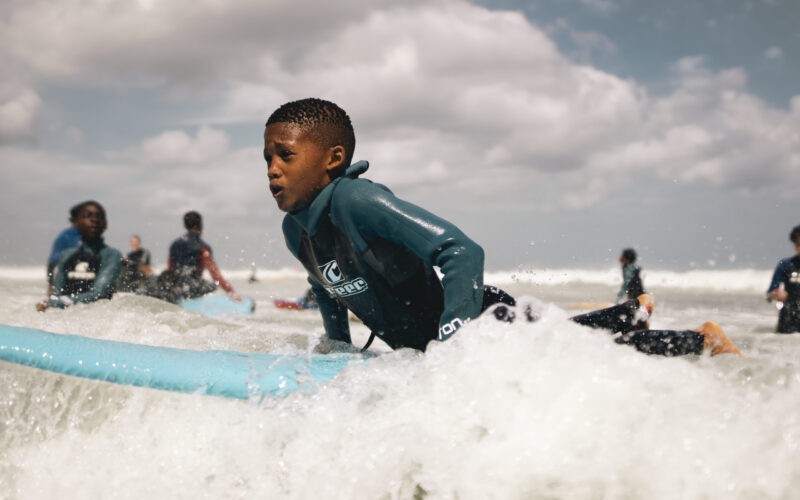
สำหรับหลายคน การเล่นคลื่นอาจเป็นเพียงกีฬาทางน้ำที่สนุกสนาน แต่ในมุมมองของจิตวิทยาและพัฒนาการเด็ก การเล่นคลื่นคือการผสมผสานระหว่างการออกกำลังกายกลางแจ้ง การเชื่อมต่อกับธรรมชาติ หรือที่เรียกว่า “Blue Space” (พื้นที่สีคราม) และการเรียนรู้ทักษะชีวิตที่ลึกซึ้ง
- การควบคุมอารมณ์: การรอคลื่น การทรงตัว และการปรับตัวตามแรงของน้ำ สอนให้เด็กๆ รู้จักจัดการกับความคาดหวัง ความผิดหวัง และความรู้สึกตื่นเต้น อย่างเป็นธรรมชาติ
- การสร้างความมั่นใจ: การยืนบนกระดานโต้คลื่นได้สำเร็จ แม้เพียงไม่กี่วินาที ก็เป็น “ความสำเร็จเล็กๆ” ที่ช่วยเติมเต็มความรู้สึกมีคุณค่าในตนเอง (Self-Esteem) โดยเฉพาะในเด็กที่เติบโตในสภาพแวดล้อมที่ท้าทาย
- ความสัมพันธ์และชุมชน: โปรแกรม Surf Therapy มักมาพร้อมกับระบบพี่เลี้ยง (Mentorship) และชุมชนที่อบอุ่น เด็กๆ ได้เรียนรู้การทำงานเป็นทีม ให้กำลังใจซึ่งกันและกัน และมีพื้นที่ปลอดภัยในการแสดงออก
เบื้องหลังความสำเร็จ: การทำงานของคลื่นบำบัดในระดับสากล
องค์กรอย่าง Wave for Change (W4C) ในแอฟริกาใต้ และ Waves of Wellness (WOW) Foundation ในออสเตรเลีย ได้พิสูจน์ให้เห็นแล้วว่าแนวทางนี้ได้ผลผ่านการวิจัยเชิงประจักษ์
“ในประเทศกำลังพัฒนา ผู้ที่มีปัญหาสุขภาพจิตขั้นรุนแรงมากถึง 76-85% ไม่ได้รับการรักษาใดๆ เลย ในขณะที่มีจิตแพทย์เพียง 5 คนต่อประชากรหนึ่งล้านคนในประเทศรายได้ต่ำและปานกลาง” (ข้อมูลจาก International Surf Therapy Organization, ISTO)
นี่คือช่องว่างที่ Surf Therapy เข้ามาเติมเต็ม ในฐานะ “Low-Intensity Intervention” หรือการแทรกแซงที่ใช้ทรัพยากรต่ำแต่มีประสิทธิภาพสูง โดยมีหลักการสำคัญจาก มุมมองพลวัตทางนิเวศวิทยา (Ecological Dynamics Perspective) ที่อธิบายว่า สภาพแวดล้อมทางธรรมชาติ เช่น มหาสมุทร มอบ “โอกาส” (Affordances) ที่ไม่เหมือนใครให้กับผู้เข้ารับการบำบัด ซึ่งห้องบำบัดแบบปิดไม่สามารถให้ได้
ประโยชน์ที่พ่อแม่และผู้ปกครองควรรู้
- เสริมสร้างความยืดหยุ่นทางจิตใจ (Resilience): การเผชิญกับธรรมชาติที่ไม่แน่นอนของคลื่น เด็กจะค่อยๆ เรียนรู้ที่จะปรับตัวและฟื้นตัวจากความล้มเหลว
- พัฒนาการด้านสังคม (Social Development): การทำกิจกรรมร่วมกันในกลุ่มส่งเสริมทักษะการสื่อสารและการเห็นอกเห็นใจผู้อื่น
- ทางเลือกสำหรับเด็กที่ไม่ชอบการพูดคุย: สำหรับเด็กบางคน การบำบัดผ่านการพูดคุย (Talk Therapy) อาจเป็นเรื่องยาก Surf Therapy เป็นช่องทางให้พวกเขาได้ปลดปล่อยและเยียวยาผ่านการเคลื่อนไหวและการเชื่อมต่อกับธรรมชาติ
รายการกิจกรรมและทักษะที่เด็กได้รับ
- การเรียนรู้ความปลอดภัยทางน้ำและมาตรการป้องกัน
- การฝึกหายใจและสมาธิขณะรอคลื่น
- การทรงตัวบนกระดาน (Balance & Coordination)
- การตั้งเป้าหมาย (Goal Setting)
- การให้กำลังใจเพื่อนในกลุ่ม (Teamwork & Empathy)
FAQ: คำถามที่พบบ่อยเกี่ยวกับ Surf Therapy
Full English Translation
Surf Therapy: A Powerful Low-Intensity Approach in Global Youth Mental Health Care
In an era where youth mental health faces unprecedented challenges globally, finding accessible, low-resource, yet sustainable therapeutic approaches is crucial. This article invites parents, guardians, and those working with children to explore “Surf Therapy,” an innovation gaining attention for its power to transform the lives of young people, especially those in underserved communities.
Why is Surfing Considered “Therapy”?
For many, surfing is just a fun water sport, but from a developmental psychology perspective, it is a blend of outdoor exercise, connection with nature (a “Blue Space”), and profound life skill learning.
- Emotional Regulation: Waiting for waves, balancing, and adapting to the water’s force naturally teaches children to manage expectations, disappointment, and excitement.
- Confidence Building: Successfully standing on a surfboard, even for seconds, provides a “small achievement” that boosts self-esteem, especially for children growing up in challenging environments.
- Relationships and Community: Surf Therapy programs often include mentorship systems and a warm community, teaching teamwork, encouragement, and providing a safe space for self-expression.
The Science Behind the Success: International Standards
Organizations like Wave for Change (W4C) in South Africa and the Waves of Wellness (WOW) Foundation in Australia have empirically validated this approach through research.
“In developing countries, a staggering 76-85% of people with severe mental health conditions receive no treatment, with only five psychiatrists per million people in low and middle-income countries.” (Data from the International Surf Therapy Organization, ISTO)
Surf Therapy fills this gap as a “Low-Intensity Intervention,” guided by the Ecological Dynamics Perspective. This theory explains that natural environments like the ocean offer unique “affordances” that a closed therapy room cannot provide.
Benefits for Parents and Guardians to Know
- Builds Mental Resilience: Facing the ocean’s unpredictability, children learn to adapt and bounce back from setbacks.
- Enhances Social Development: Group activities foster communication and empathy.
- An Alternative for Non-Verbal Children: For children who find Talk Therapy challenging, Surf Therapy offers a channel for healing through movement and nature connection.
List of Activities and Skills
– Water safety and prevention
– Breathing and meditation while waiting for waves
– Balance and coordination on the board
– Goal setting
– Encouraging peers (Teamwork & Empathy)