
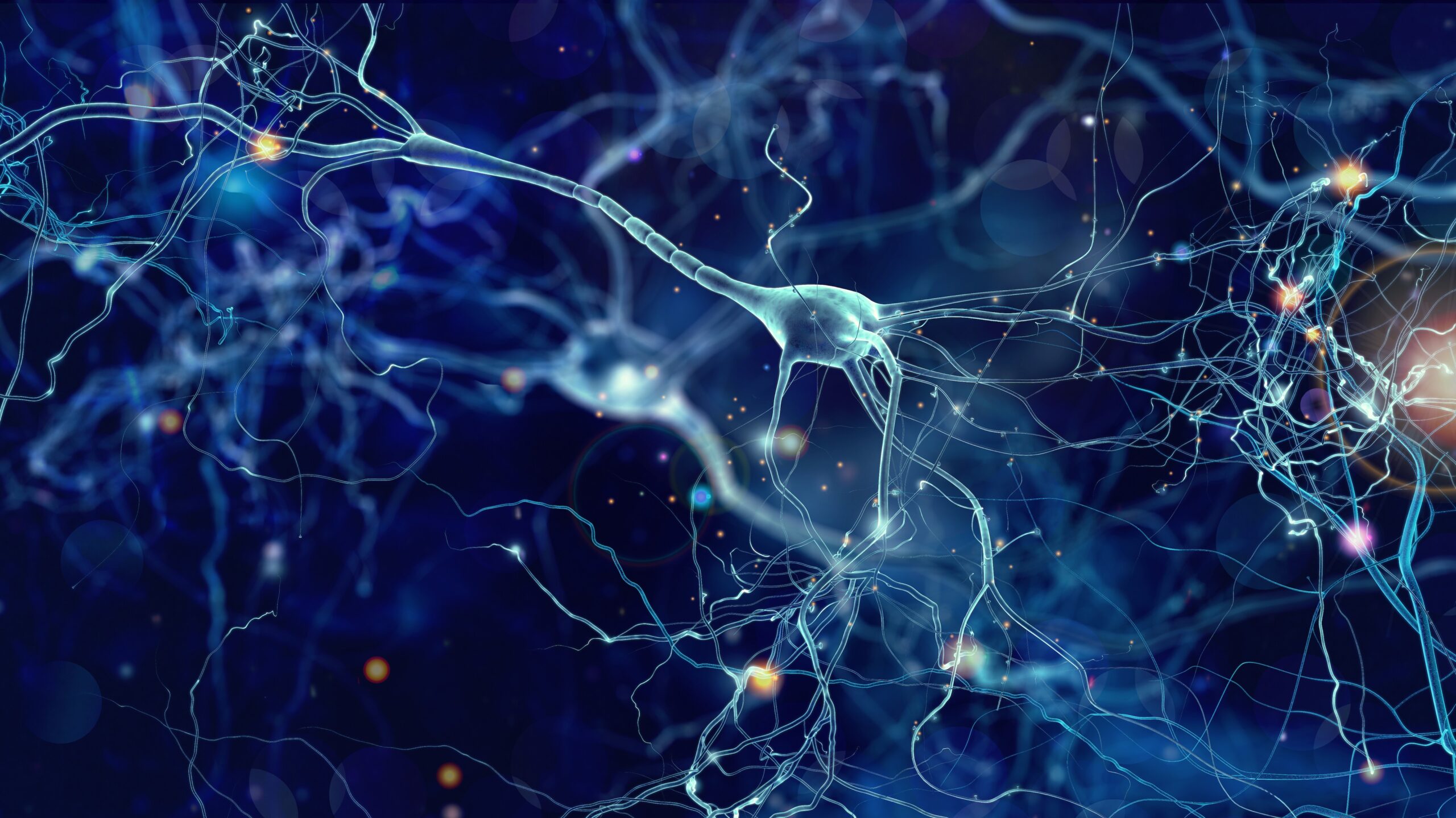
ลูกน้อยของคุณอาจมี ‘กองกำลังรักษาความสงบ’ ในสมอง! นักวิทยาศาสตร์ค้นพบว่าเซลล์ภูมิคุ้มกันสมองกลุ่มหนึ่ง (Hoxb8 microglia) ทำหน้าที่เหมือน ‘เบรก’ และ ‘คันเร่ง’ ควบคุมความวิตกกังวลและพฤติกรรมซ้ำซาก (เช่น การดึงผมตัวเอง) ซึ่งเป็นปัญหาที่พบได้ในเด็กออทิสติกและโรคย้ำคิดย้ำทำ (OCD) การค้นพบนี้เปิดทางสู่การรักษาแบบใหม่ที่อาจเปลี่ยนชีวิตเด็กหลายครอบครัว
ทำความเข้าใจเชิงลึกด้านพัฒนาการเด็กและสุขภาพทารก:
– ไมโครเกลียไม่ใช่แค่ทหาร เรามักสอนกันว่าเซลล์ภูมิคุ้มกันในสมองมีหน้าที่กำจัดเศษเซลล์ที่ตายแล้ว แต่การวิจัยนี้ชี้ว่าไมโครเกลียชนิดพิเศษ (Hoxb8) มีบทบาทเหมือน “ผู้จัดการอารมณ์” โดยใช้สัญญาณแคลเซียมในการตัดสินใจว่าควรปล่อยให้ลูกรู้สึกกังวล หรือควรสงบสติอารมณ์
– การเชื่อมโยงกับพฤติกรรมซ้ำซากในเด็ก สำหรับพ่อแม่ที่ลูกมีพฤติกรรมดึงผม กัดเล็บ หรือโยกตัวซ้ำๆ การค้นพบนี้ถือเป็นข่าวดี เพราะเป็นการยืนยันว่าพฤติกรรมเหล่านี้ไม่ได้เกิดจาก “นิสัยไม่ดี” แต่มีสาเหตุทางชีววิทยาที่แท้จริง
– อนาคตของการรักษา: จิต-ภูมิคุ้มกันบำบัด แทนที่จะใช้ยาที่กดประสาทโดยตรง ในอนาคตอาจมีการรักษาที่ “เติม” เซลล์ไมโครเกลียชนิดทำหน้าที่เบรก (Hoxb8) หรือ “ลด” การทำงานของเซลล์ชนิดทำหน้าที่เร่งความวิตกกังวล นี่คือจุดเริ่มต้นของวงการ “Psycho-Immunology” สำหรับเด็กที่มีภาวะวิตกกังวลหรือ OCD
ประเด็นสำคัญที่พ่อแม่ควรรู้:
– แคลเซียมคือกุญแจสำคัญ: การวิจัยพบว่าไมโครเกลีย Hoxb8 ใช้แคลเซียมเป็นสัญญาณ หากระดับแคลเซียมในเซลล์เหล่านี้สูงผิดปกติ จะกระตุ้นให้เกิดความวิตกกังวลและพฤติกรรมซ้ำซากทันที
– การทดลองที่ชัดเจน: ทีมวิจัยได้ทดลองปลูกถ่ายเซลล์ภูมิคุ้มกันที่ “บกพร่อง” จากหนูที่มีพฤติกรรมดึงขนตัวเองเข้าไปในสมองหนูปกติ ผลปรากฏว่าหนูปกติเริ่มดึงขนตัวเองตาม แสดงให้เห็นว่าเซลล์เหล่านี้เป็น “ต้นเหตุ” ไม่ใช่แค่ผลพลอยได้ของอาการ
– การรักษาแบบใหม่ในอนาคต: นักวิจัยระบุว่าหากมนุษย์มีระบบไมโครเกลียแบบเดียวกับหนู (ซึ่งเป็นไปได้สูงเพราะเรามีร่วมกับปลาม้าลาย) เราอาจสามารถพัฒนายาที่เพิ่มจำนวน “เบรก” ไมโครเกลีย หรือลดการทำงานของ “คันเร่ง” ไมโครเกลียเพื่อรักษาอาการวิตกกังวลได้
ติดตามเคล็ดลับการเลี้ยงลูกและสุขภาพแม่และเด็กได้ทุกวันที่ MomAndKidsDaily.com นะคะ!
Full English Translation: Baby brain microglia: The secret of immune cells that control emotions and repetitive behaviors – Your child may have a ‘peacekeeping force’ in their brain! Scientists have discovered that a group of brain immune cells (Hoxb8 microglia) act like ‘brakes’ and ‘accelerators,’ regulating anxiety and repetitive behaviors (such as hair pulling) – problems commonly found in children with autism and obsessive-compulsive disorder (OCD). This discovery opens the door to new treatments that could change the lives of many families. Deep analysis for child development: Microglia are not just soldiers. We often teach that immune cells in the brain are responsible for clearing dead cell debris. But this research indicates that a special type of microglia (Hoxb8) acts like an “emotion manager,” using calcium signals to decide whether to let a child feel anxious or to calm down. Connection to repetitive behaviors: For parents whose children have behaviors like hair pulling, nail biting, or repetitive rocking, this finding is great news because it confirms these behaviors are not “bad habits” but have a real biological cause. Future of treatment: Psycho-immunology: Instead of using drugs that directly suppress nerves, future treatments may involve “supplementing” the braking microglia (Hoxb8) or “reducing” the activity of the accelerating microglia. This marks the beginning of the “Psycho-Immunology” field for children with anxiety or OCD. Key points: – Calcium is the key: Research found that Hoxb8 microglia use calcium as a signal. If calcium levels in these cells are abnormally high, it immediately triggers anxiety and repetitive behaviors. – Clear experiment: The team transplanted “defective” immune cells from mice with compulsive hair-grooming behavior into normal mouse brains. The result was that the normal mice began pulling out their own hair, showing these cells are the “cause,” not just a symptom. – Future treatments: Researchers stated that if humans have a microglia system similar to mice (highly likely, as we share it with zebrafish), we could develop drugs to increase the number of “brake” microglia or reduce the activity of the “accelerator” microglia to treat anxiety.
Citation Link: https://www.zmescience.com/science/biology/scientists-discover-brain-immune-cells-that-control-anxiety-and-compulsive-behavior/