
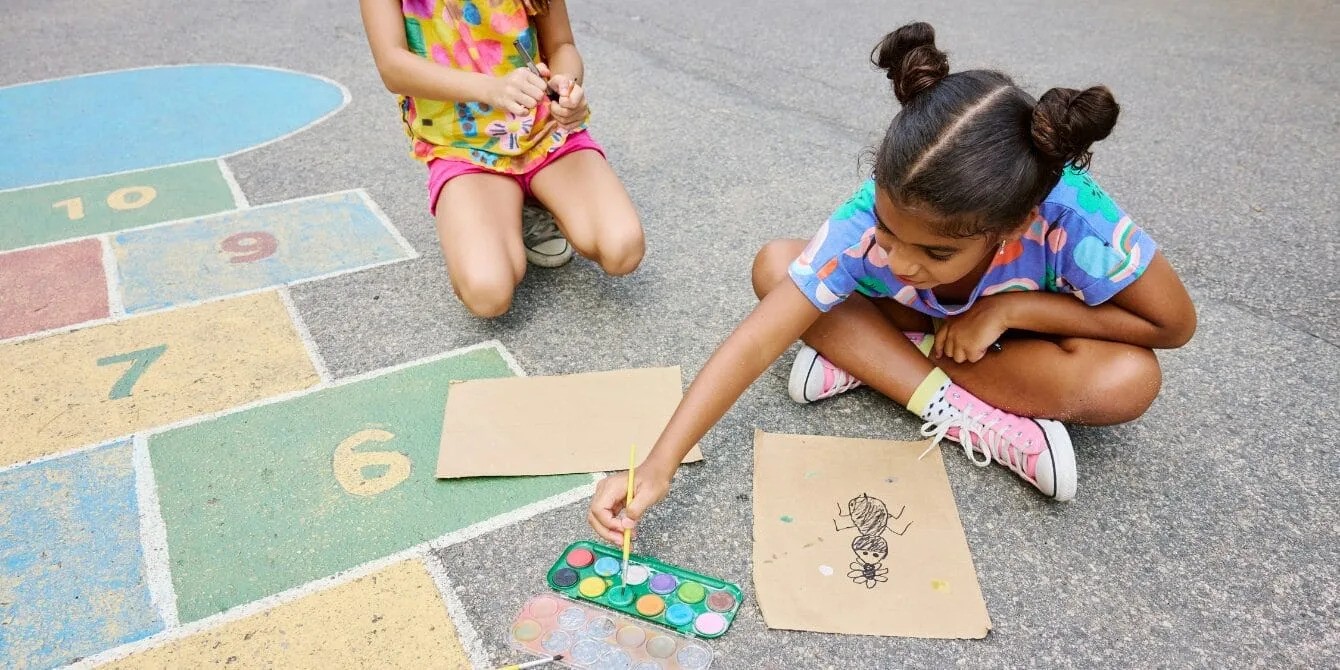
พักกลางวัน: สิทธิพื้นฐานของเด็กทุกคน ไม่ใช่ของรางวัล
เคยสงสัยไหมคะว่า การให้ลูกได้วิ่งเล่น พูดคุย และหัวเราะกับเพื่อนในช่วงพักกลางวันที่โรงเรียน สำคัญแค่ไหน? งานวิจัยชี้ให้เห็นว่า “ช่องว่างแห่งการเล่น” (Play Gap) ที่เกิดขึ้นในปัจจุบัน อาจเป็นสาเหตุสำคัญที่ทำให้เด็กและวัยรุ่นมีปัญหาสุขภาพจิตเพิ่มมากขึ้น การปกป้องอิสรภาพของพวกเขาในช่วงเวลานี้จึงเป็นกุญแจสำคัญในการพลิกฟื้นแนวโน้มดังกล่าว
American Academy of Pediatrics (AAP) หรือ สมาคมกุมารแพทย์แห่งสหรัฐอเมริกา ออกมาเน้นย้ำชัดเจนว่า การพักกลางวันไม่ใช่ของฟุ่มเฟือย แต่เป็นองค์ประกอบสำคัญของวันเรียนที่ช่วยให้เด็กทุกวัยได้เรียนรู้ เติบโต และมีสุขภาพดี
ทำไมการพักกลางวันถึงสำคัญ?
- คลายเครียด: การพักกลางวันช่วยปลดปล่อยความเครียดสะสมที่อาจส่งผลเสียต่อสุขภาพกายและใจของเด็ก เป็นเหมือนเครื่องถ่วงดุลกับเวลาที่อยู่หน้าจอและความกดดันอื่นๆ
- พัฒนาทักษะทางสังคม: สำหรับเด็กโตและวัยรุ่น การพักกลางวันไม่ได้หมายถึงแค่การเล่น แต่คือการสร้างสายสัมพันธ์ การหาเพื่อน และการเป็นส่วนหนึ่งของกลุ่ม ซึ่งเป็นกระบวนการทางธรรมชาติที่ช่วยให้พวกเขาก้าวไปสู่พัฒนาการขั้นต่อไป
- เสริมสร้างความคิดสร้างสรรค์: การให้เด็กได้เลือกทำกิจกรรมด้วยตัวเองอย่างอิสระ (ภายใต้การดูแลที่เหมาะสม) ช่วยส่งเสริมความคิดสร้างสรรค์และการเข้าสังคมแบบเปิดกว้าง ซึ่งเป็นสิ่งที่ผู้ใหญ่ชี้นำไม่ได้
- เป็นสิทธิ ไม่ใช่รางวัล: AAP และ SHAPE America ย้ำว่าไม่ควรเก็บเด็กไว้ไม่ให้ออกไปพักกลางวันเพื่อเป็นการลงโทษ หรือให้ทำงานที่ค้างอยู่ให้เสร็จ เพราะนั่นเท่ากับการพรากโอกาสสำคัญในการพัฒนาทักษะชีวิต
แนวทางการให้เวลาพักกลางวันอย่างเหมาะสม
- ระยะเวลา: แนะนำให้เด็กประถมทุกคนได้พักกลางวันอย่างน้อยวันละ 20 นาที
- รูปแบบที่ยืดหยุ่น: การพักกลางวันควรเปลี่ยนไปตามวัย เด็กเล็กอาจเน้นการเล่นเคลื่อนไหวร่างกาย ส่วนเด็กโตและวัยรุ่นอาจเน้นการพูดคุยและสร้างปฏิสัมพันธ์ทางสังคม
- อิสระภายใต้การดูแล: เด็กควรมีอิสระในการเลือกเล่นตามที่ต้องการ แต่ยังคงต้องมีผู้ใหญ่คอยดูแลเพื่อความปลอดภัยและป้องกันปัญหาต่างๆ เช่น การกลั่นแกล้ง
Enlgish Translation
Recess isn’t a reward. It’s a requirement. Here’s what the new AAP recess guidelines mean for your kid.
Have you ever wondered how important it is for your child to run, play, talk, and laugh with friends during school recess? Research suggests that the current “play gap” may be a major factor in the rising mental health problems seen in children and teenagers. Protecting their freedom during this time is a key to reversing this trend.
The American Academy of Pediatrics (AAP) emphasizes that recess is not a luxury but an essential component of the school day that helps children of all ages learn, grow, and stay healthy.
Why is Recess So Important?
- Stress Relief: Recess helps release daily stress that can harm a child’s mental and physical health. It serves as a healthy counterbalance to screen time and other stressors.
- Social Skill Development: For older children and teens, recess is not just about play; it’s about forming connections, finding friends, and building a “tribe.” This is a natural process that helps them reach the next stage of maturation.
- Boosts Creativity: Allowing children to freely choose their activities (with appropriate supervision) fosters creative thinking and open-ended socialization, something that adult-directed activities cannot replicate.
- A Right, Not a Reward: The AAP and SHAPE America stress that recess should never be withheld as punishment or for completing class work, as it deprives children of a vital opportunity for development.
Guidelines for Effective Recess
- Duration: It is recommended that all elementary school students receive at least 20 minutes of daily recess.
- Flexible Format: Recess should adapt as children get older. Younger children may need more physical play, while older children and teenagers focus on social connection and interaction.
- Supervised Freedom: Children should have the freedom to choose their own activities, but adult supervision is necessary to ensure safety and prevent issues like bullying.
คำถามที่พบบ่อย (FAQ)
แหล่งอ้างอิง: American Academy of Pediatrics (AAP) – healthychildren.org