การเลือกใช้ชีวิตอย่างมีสุขภาพดี ไม่เพียงช่วยให้เรารู้สึกสดชื่นแข็งแรง แต่ยังเป็นปัจจัยสำคัญที่ช่วยลดความเสี่ยงของโรคเรื้อรังในระยะยาว โดยเฉพาะในกลุ่ม “ผู้รอดชีวิตจากมะเร็งวัยเด็ก” ซึ่งมีความเสี่ยงต่อปัญหาสุขภาพมากกว่าคนทั่วไป แม้จะผ่านพ้นการรักษามานานหลายปีแล้วก็ตาม
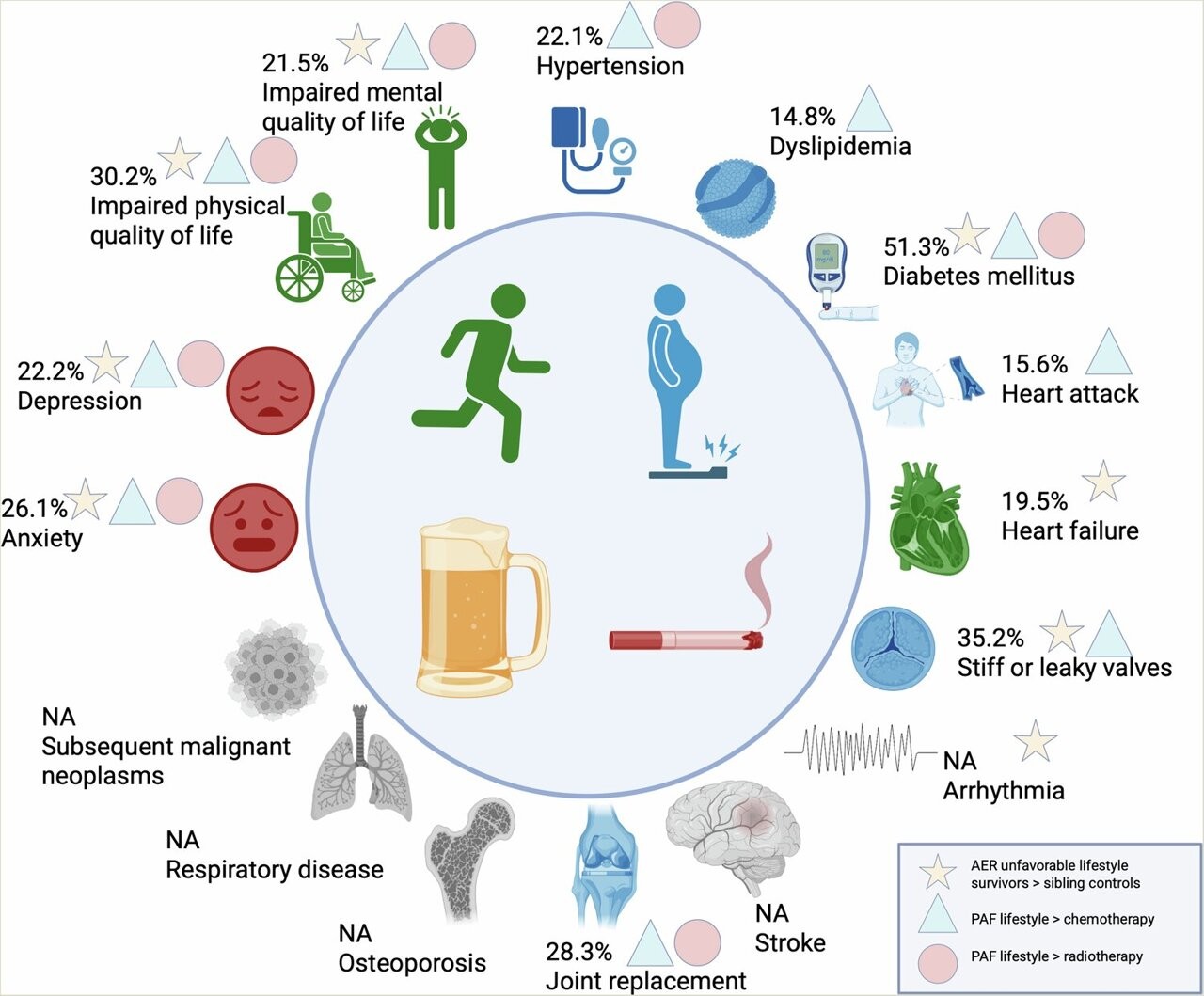
งานวิจัยชิ้นสำคัญที่ตีพิมพ์ใน The Lancet และ Nature Communications เผยว่า ผู้รอดชีวิตจากมะเร็งในวัยเด็กที่มีพฤติกรรมสุขภาพดี มีความเสี่ยงเสียชีวิตจากสาเหตุที่เกี่ยวข้องกับสุขภาพต่ำลงถึง 20% เมื่อเทียบกับผู้ที่มีพฤติกรรมไม่ดีต่อสุขภาพ และที่น่าสนใจคือ ปัจจัยการดำเนินชีวิต เช่น การไม่ออกกำลังกาย ภาวะอ้วน การสูบบุหรี่ และการดื่มแอลกอฮอล์ ส่งผลต่อภาระโรคในวัยผู้ใหญ่พอๆ กับผลข้างเคียงจากการรักษาด้วยเคมีบำบัดหรือการฉายแสง
การใช้ชีวิตอย่างมีสุขภาพดี ช่วยลดความเสี่ยงได้อย่างไร?
- เลิกสูบบุหรี่ – ลดความเสี่ยงของโรคหัวใจและมะเร็งซ้ำ
- ออกกำลังกายสม่ำเสมอ – ช่วยเสริมสร้างระบบภูมิคุ้มกันและควบคุมน้ำหนัก
- รักษาน้ำหนักให้เหมาะสม – ลดภาระต่อหัวใจและหลอดเลือด
- ดื่มแอลกอฮอล์ในปริมาณที่พอเหมาะ – ลดความเสี่ยงของโรคตับและมะเร็ง
คำแนะนำพิเศษสำหรับพ่อแม่และผู้ดูแลเด็กที่รอดชีวิตจากมะเร็ง
- พาเด็กไปพบแพทย์ตามนัดเพื่อติดตามสุขภาพระยะยาวอย่างต่อเนื่อง
- สนับสนุนให้เด็กทำกิจกรรมที่เคลื่อนไหวร่างกายอย่างสนุกสนาน เช่น ว่ายน้ำ เต้นรำ หรือเล่นกีฬาเป็นทีม
- สร้างสภาพแวดล้อมที่บ้านที่ส่งเสริมการกินอาหารที่มีประโยชน์และลดอาหารแปรรูป
- เข้าใจว่าเด็กแต่ละคนมีความเสี่ยงแตกต่างกัน ควรวางแผนสุขภาพร่วมกับทีมแพทย์อย่างใกล้ชิด
Full English Translation
Adopting a healthy lifestyle not only helps us feel energetic and strong but is also a key factor in reducing the risk of chronic diseases in the long term, especially for “childhood cancer survivors.” This group faces higher health risks than the general population, even many years after completing treatment. A major study published in The Lancet and Nature Communications revealed that survivors with healthy behaviors had a 20% lower risk of death from health-related causes compared to those with unhealthy lifestyles. Interestingly, lifestyle factors such as lack of exercise, obesity, smoking, and high alcohol intake contribute to the burden of disease in adulthood as much as the side effects of chemotherapy or radiation.
Supporting Long-Term Health
The research also highlights that lifestyle plays a much bigger role than previously thought. Unlike the treatments already given, lifestyle can actually be changed. This means that physical activity can make a significant difference in reducing the extra risk that emerges after cancer treatment. Experts recommend that lifestyle support become an integral part of long-term follow-up care after childhood cancer. This includes mapping lifestyle habits and providing structured support to help these individuals adopt healthy behaviors from childhood through adulthood.
Citation: Healthy Lifestyles Reduce Chronic Health Risks for Childhood Cancer Survivors – News-Medical.net