
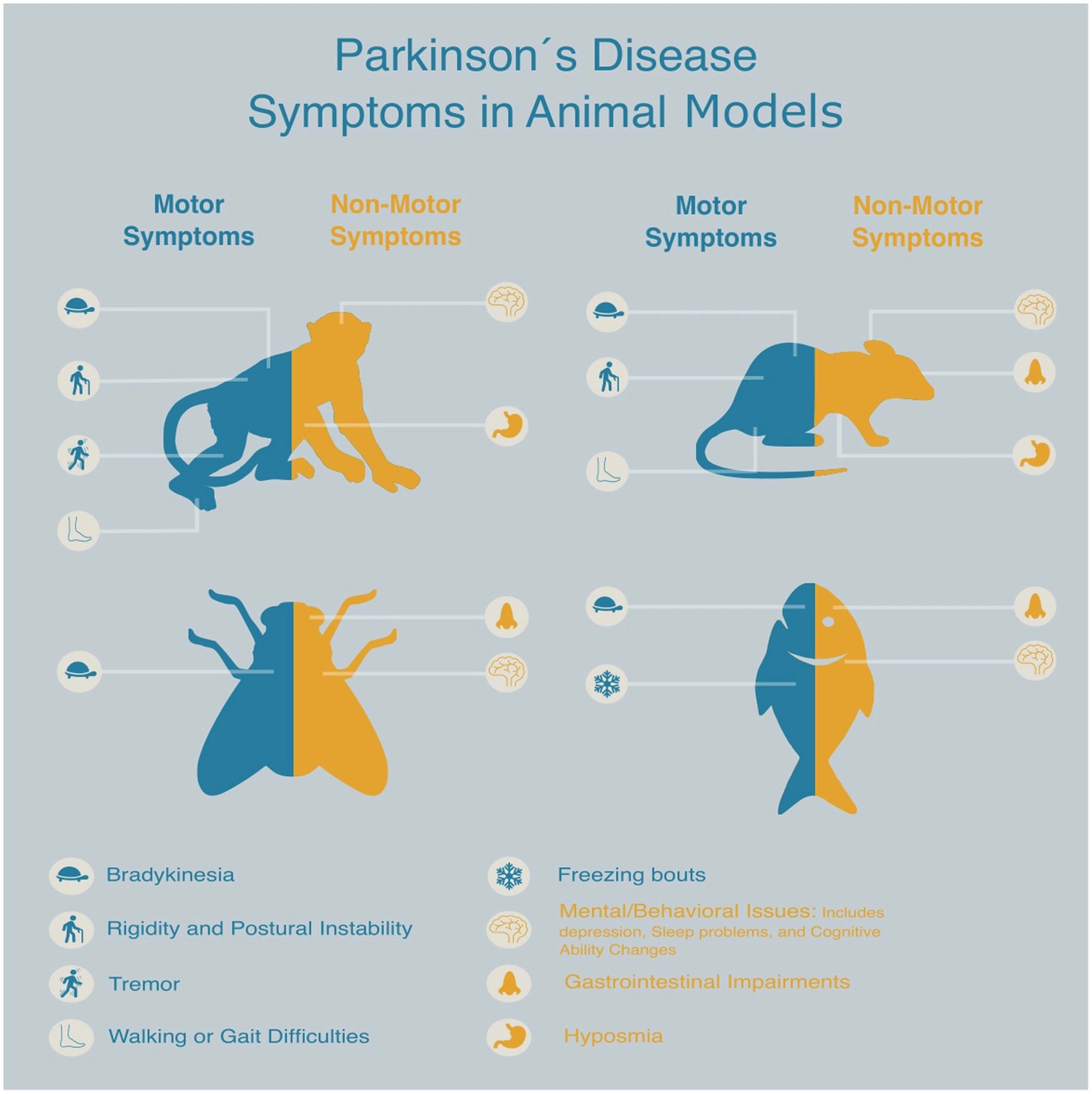
ผู้เชี่ยวชาญพัฒนา ‘ยาเสริม’ ตัวใหม่เพื่อพาร์กินสัน ลดอาการข้างเคียงของแอลโดปาในสัตว์ทดลอง
สำหรับคุณพ่อคุณแม่และผู้ที่ดูแลผู้สูงอายุในครอบครัว การเข้าใจนวัตกรรมทางการแพทย์เป็นเรื่องสำคัญ เพราะโรคพาร์กินสันไม่ได้เกิดเฉพาะในผู้สูงวัยเท่านั้น แต่ยังเชื่อมโยงกับพัฒนาการทางระบบประสาทและการดูแลสุขภาพองค์รวมของทุกคนในครอบครัว
วิเคราะห์เชิงลึก: ทำไมข่าวนี้ถึงสำคัญสำหรับครอบครัว?
โรคพาร์กินสัน (Parkinson’s disease) เป็นโรคทางระบบประสาทที่พบบ่อยเป็นอันดับสองรองจากอัลไซเมอร์ โดยมีสาเหตุสำคัญจากการเสื่อมของเซลล์ประสาทที่ผลิตโดปามีนในสมอง อาการหลักที่พบคือ ตัวสั่น เคลื่อนไหวช้า กล้ามเนื้อเกร็ง และเสียการทรงตัว ซึ่งส่งผลกระทบต่อคุณภาพชีวิตของทั้งผู้ป่วยและผู้ดูแล
แอลโดปา (L-dopa หรือ levodopa) เป็นยาหลักที่ใช้รักษามานานหลายทศวรรษ แต่เมื่อใช้ไปนาน ๆ ผู้ป่วยมักประสบกับปัญหาสองอย่างคือ:
1. อาการตอบสนองต่อยาลดลง (Wearing-off) ยาออกฤทธิ์สั้นลง ต้องเพิ่มขนาดยาหรือความถี่
2. อาการ dyskinesia การเคลื่อนไหวที่ควบคุมไม่ได้ เหมือนกระตุกหรือบิดเบี้ยว ซึ่งเกิดจากผลข้างเคียงของตัวยาเอง
นวัตกรรมใหม่จากทีมวิจัย Sinopia Biosciences ซึ่งพัฒนามาจากมหาวิทยาลัยแคลิฟอร์เนีย ซานดิเอโก ได้ค้นพบว่า SB-0110 ซึ่งเป็นยาที่พัฒนามาจาก trapidil ที่ใช้รักษาโรคหัวใจมานานกว่า 50 ปีในญี่ปุ่น สามารถ:
- เพิ่มประสิทธิภาพของแอลโดปา ในสัตว์ทดลองทั้งหนูและลิง ทำให้การเคลื่อนไหวดีขึ้น
- ลดอาการ dyskinesia ได้อย่างมีนัยสำคัญ โดยการปรับการทำงานของโปรตีน PKA-III ที่เกี่ยวข้องกับโดปามีน
ทั้งนี้ ทีมวิจัยใช้การวิเคราะห์ข้อมูลทางชีววิทยาขนาดใหญ่ (Big Data) เพื่อค้นหารูปแบบการทำงานของยีนที่ตรงข้ามกันระหว่างประโยชน์และผลข้างเคียงของแอลโดปา
ประเด็นสำคัญที่ควรรู้
- ระยะเวลาการพัฒนา: ปัจจุบันอยู่ระหว่างการศึกษาความเป็นพิษ (toxicology studies) ก่อนจะเริ่มทดลองในมนุษย์ครั้งแรก (Phase I) ในปีหน้า
- ความปลอดภัย: ยาต้นแบบ trapidil ใช้ในคนมานานแล้ว จึงมีข้อมูลความปลอดภัยรองรับ
- กลุ่มเป้าหมาย: เหมาะทั้งผู้ป่วยที่เพิ่งเริ่มใช้แอลโดปาและผู้ที่ใช้มานาน
- แนวทางการรักษา: ไม่ใช่การรักษาโรคโดยตรง แต่เป็น ‘ยาเสริม’ เพื่อลดผลข้างเคียงและปรับปรุงคุณภาพชีวิต
ข้อควรระวังสำหรับครอบครัว
- หากท่านหรือคนในครอบครัวมีอาการตัวสั่น เดินไม่穩 กล้ามเนื้อเกร็ง ควรรีบปรึกษาแพทย์เฉพาะทางด้านระบบประสาท
- การรักษาพาร์กินสันต้องอาศัยทีมสหสาขา ทั้งแพทย์ พยาบาล นักกายภาพบำบัด และนักกิจกรรมบำบัด
- การออกกำลังกายสม่ำเสมอและการรับประทานอาหารที่มีประโยชน์ช่วยชะลอความเสื่อมของระบบประสาท
ติดตามเคล็ดลับการเลี้ยงลูกและสุขภาพแม่และเด็กได้ทุกวันที่ MomAndKidsDaily.com นะคะ!
English Translation:
New Companion Drug for Parkinson’s Enhances L-Dopa Benefits, Reduces Side Effects in Animal Models
For parents and those caring for elderly family members, understanding medical innovation is crucial because Parkinson’s disease is not exclusive to the elderly, but also connects to neurological development and holistic family health.
In-depth Analysis: Why This News Matters for Families
Parkinson’s disease is the second most common neurodegenerative disorder after Alzheimer’s, primarily caused by the degeneration of dopamine-producing neurons in the brain. Main symptoms include tremors, bradykinesia (slowness of movement), muscle rigidity, and balance impairment, affecting both patients and caregivers’ quality of life.
L-dopa (levodopa) has been the gold standard treatment for decades. However, long-term use often leads to two major problems:
1. Wearing-off phenomenon: The drug’s effect diminishes, requiring higher doses or frequency.
2. Dyskinesia: Uncontrollable, involuntary movements resembling twisting or jerking, caused by the drug itself.
The innovation from Sinopia Biosciences, a University of California San Diego spinout, discovered that SB-0110, derived from trapidil (a heart medication used safely in Japan for over 50 years), can:
- Enhance L-dopa’s efficacy in rodent and non-human primate models, improving motor function.
- Significantly reduce dyskinesia by modulating PKA-III protein activity related to dopamine signaling.
The team used large-scale biological data analysis (Big Data) to identify opposing gene activity patterns between L-dopa’s benefits and side effects.
Key Points to Know
- Development timeline: Currently undergoing toxicology studies before the first-in-human Phase I trial expected next year.
- Safety profile: The parent drug trapidil has decades of human use, providing strong safety data.
- Target population: Suitable for both new and long-term L-dopa users.
- Treatment approach: Not a cure, but an ‘add-on’ therapy to reduce side effects and improve quality of life.
Cautions for Families
- If you or a family member experience tremors, unsteady gait, or muscle rigidity, consult a neurologist promptly.
- Parkinson’s management requires a multidisciplinary team: doctors, nurses, physical therapists, and occupational therapists.
- Regular exercise and a healthy diet help slow neurological decline.
Citation:
https://www.news-medical.net/news/20260715/New-drug-candidate-improves-Parkinsons-treatment-in-animal-models.aspx