
Part 1: บทนำภาษาไทย
คุณพ่อคุณแม่ที่กำลังมองหาเมนูอาหารว่างหรือมื้อเบาๆ ที่ทั้งอร่อย มีประโยชน์ และทำง่ายสำหรับลูกน้อยล่ะก็ วันนี้เรามีไอเดียเด็ดมาฝาก! “พิซซ่าเด็กเล็ก” สูตรนี้ไม่ได้เป็นเพียงแค่อาหารที่สนุกและถูกปากเด็กๆ เท่านั้น แต่ยังถูกออกแบบมาเพื่อตอบโจทย์ด้านโภชนาการและการพัฒนาการของลูกโดยเฉพาะ ไม่ว่าจะเป็นทารกวัย 6 เดือนขึ้นไปที่เริ่มทานอาหารเสริม หรือเด็กวัยหัดเดินที่ต้องการพลังงานและสารอาหารที่ครบถ้วน การทำพิซซ่าเองที่บ้านช่วยให้เราควบคุมวัตถุดิบ ลดโซเดียม และเพิ่มผักหลากสีได้อย่างสบายใจ มารู้จักวิธีทำพิซซ่าเด็กเล็กที่ทั้งปลอดภัย อุดมไปด้วยคุณค่าจากโปรตีน แคลเซียม และไฟเบอร์ พร้อมเทคนิคการหั่นที่เหมาะสมกับแต่ละช่วงวัยกันค่ะ
Part 2: วิเคราะห์เชิงลึกภาษาไทย (Deep Dive in Thai)
การทำพิซซ่าสำหรับเด็กเล็กไม่ใช่แค่การปั้นแป้งและโรยชีส แต่คือการสร้างสรรค์มื้ออาหารที่ส่งเสริมพัฒนาการด้านการกิน (Oral Motor Development) และสร้างนิสัยการกินที่ดีต่อสุขภาพตั้งแต่วัยแรกเริ่ม สูตรนี้ใช้แป้งผสมระหว่างแป้งอเนกประสงค์กับแป้งโฮลวีต ซึ่งให้ไฟเบอร์สูงกว่าพิซซ่าทั่วไป ช่วยในระบบขับถ่ายของเด็ก และย่อยง่ายกว่าสำหรับท้องน้อยของลูกน้อย
จุดเด่นสำคัญของสูตรนี้คือ การปรับเนื้อสัมผัสและขนาดให้เหมาะสมกับวัย
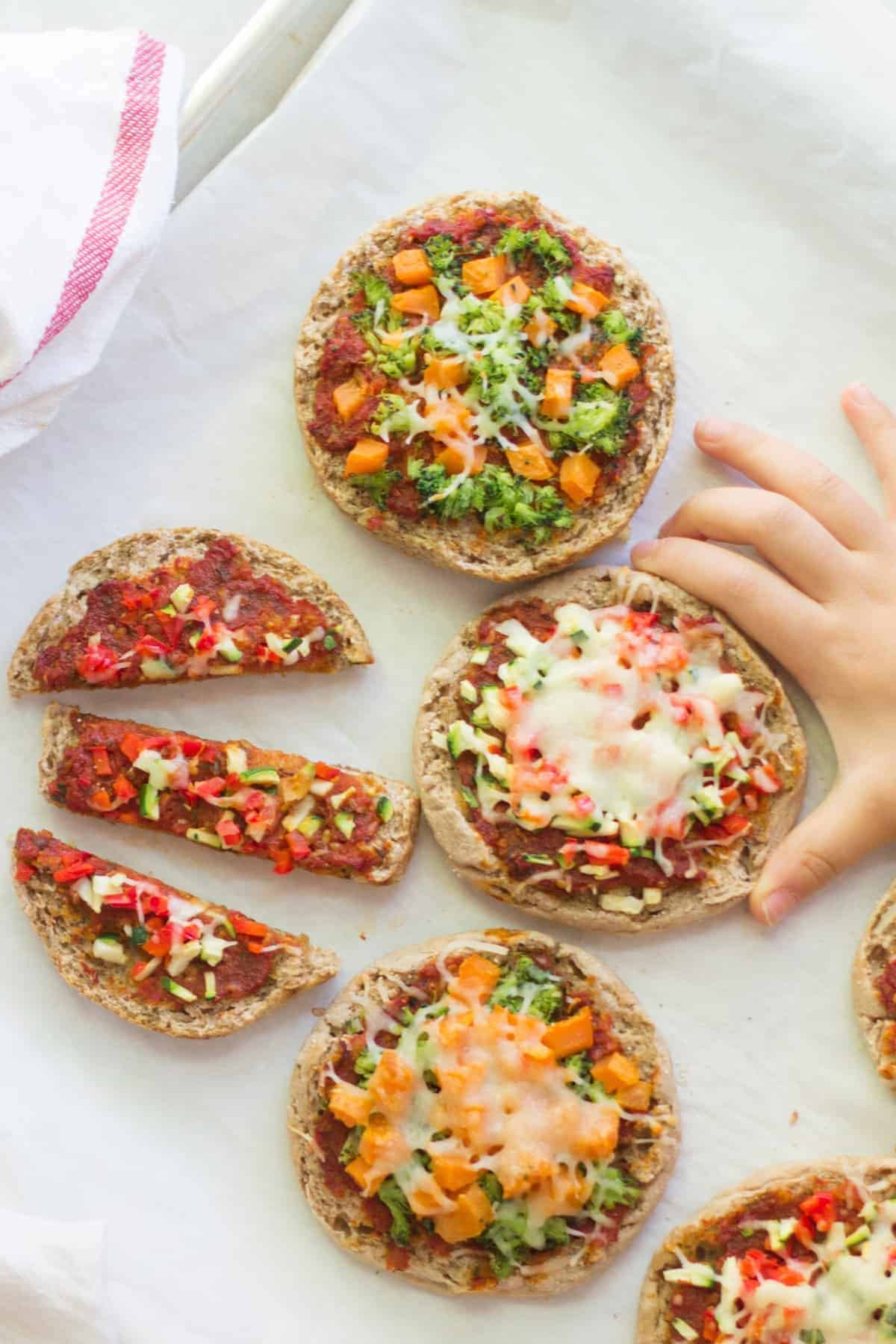
– สำหรับทารก 6-8 เดือน: ควรหั่นพิซซ่าเป็นเส้นยาวขนาดเท่าสองนิ้วผู้ใหญ่ประกบกัน (finger-length strips) เพื่อให้ลูกน้อยใช้ฝ่ามือจับและดูดเลีย ซึ่งเป็นการฝึกกล้ามเนื้อมัดเล็กและการบดเคี้ยวเบื้องต้น
– สำหรับเด็ก 9 เดือนขึ้นไป: สามารถหั่นเป็นชิ้นเล็กพอดีคำ หรือให้เด็กหยิบเป็นชิ้นกลมๆ เพื่อฝึกการใช้มือหยิบจับแบบคีบ (pincer grasp)
คำแนะนำสำหรับคุณพ่อคุณแม่:
1. ลดโซเดียม: งดใส่เกลือในแป้งหากทำสำหรับเด็กต่ำกว่า 1 ขวบ และเลือกใช้ชีสที่มีโซเดียมต่ำ
2. เพิ่มคุณค่าทางโภชนาการ: ใช้ Greek yogurt ในแป้งเพื่อเพิ่มโปรตีนและแคลเซียม หรือใช้ซอสพิซซ่าโฮมเมดที่ไม่มีน้ำตาล
3. ความปลอดภัย: อบจนแป้งสุกเหลืองและชีสละลายดี ปล่อยให้เย็นสนิทก่อนเสิร์ฟเพื่อป้องกันปากไหม้
ไอเดียท็อปปิ้งสำหรับเด็ก (ตามอายุ):
– ทารก (6-12 เดือน): ฟักทองนึ่งบด, อะโวคาโดหั่นเต๋าเล็ก, ข้าวโพดหวานบดหยาบ
– เด็กหัดเดิน (1-3 ปี): ผักโขมสับ, เห็ดหอมสับ, ไก่บด หรือโปรตีนจากถั่วเลนทิล
– เด็กโต (3+ ปี): พริกหวาน, มะเขือเทศเชอร์รี่ผ่าครึ่ง, เปปเปอโรนีสำหรับเด็ก (เลือกแบบไม่มีไนไตรท์)
Part 3: English Comprehensive Article
Title: Easy, Nutritious Baby Pizza: A Guide to Healthy Homemade Pizzas for Toddlers and Infants
Making pizza from scratch for your little one is one of the most rewarding ways to introduce balanced nutrition, textures, and flavors. This recipe, adapted from Supermom Eats and MJ & Hungryman, is designed to be gentle on a baby’s digestive system while being packed with protein, calcium, and fiber. Below is a step-by-step guide to creating the perfect baby pizza, from dough to topping ideas.
Key Ingredients for a Healthy Dough
| Ingredient | Purpose | Baby-Friendly Note |
| :— | :— | :— |
| All-purpose flour + Whole wheat flour | Balanced texture + fiber | Whole wheat adds fiber; do not use all whole wheat for babies under 12 months. |
| Greek yogurt | Adds protein & calcium; makes dough soft | Choose plain, full-fat yogurt with no added sugar. |
| Olive oil | Healthy fats for brain development | Use extra virgin olive oil in moderation. |
| Baking powder | Leavening agent | Essential for a light crust; safe for babies. |
| Garlic powder | Natural flavor enhancer | Use sparingly; do not add salt for babies under 12 months. |
Step-by-Step Instructions
- Preheat oven to 425°F (220°C) and line two baking sheets with parchment paper.
- Mix dry ingredients: In a large bowl, combine 1 cup all-purpose flour, ½ cup whole wheat flour, 1 tsp garlic powder, and 1 tsp baking powder.
- Add wet ingredients: Add ¾ cup plain Greek yogurt and 2 tbsp olive oil. Mix with a fork until a shaggy dough forms.
- Knead the dough: Turn onto a floured surface. Knead gently for 1-2 minutes until smooth. Do not overwork.
- Divide and shape: Cut dough into 4 equal pieces. Roll each piece into a 4-inch circle on parchment paper. Curl edges slightly to form a crust.
- Add toppings: Spread 1-2 tbsp of sugar-free pizza sauce (see tips below). Sprinkle a layer of shredded mozzarella (low-moisture, part-skim) and add age-appropriate vegetables.
- Bake: Bake for 20 minutes until crust is golden and cheese is bubbly. Let cool completely before serving.
Topping Ideas by Age
For Babies (6+ months):
– Pureed veggies: Roasted pumpkin, sweet potato, or butternut squash.
– Mashed beans: Cooked and mashed black beans or lentils.
– Avocado slices: Thin, soft strips.
For Toddlers (1-3 years):
– Diced vegetables: Zucchini, bell peppers, mushrooms.
– Protein: Finely shredded cooked chicken or turkey.
– Cheese: Full-fat mozzarella or ricotta.
For Big Kids (3+):
– All of the above plus sliced olives, cherry tomatoes, and lean meats.
Serving Tips for Different Ages
- 6-8 months: Cut into strips the width of two adult fingers. This allows palm grasping. Urge children over 9 months to try pincer grasp.
- 9-12 months: Cut into small, bite-sized cubes or small rounds.
- 1+ years: Serve as a whole mini-pizza or cut into wedges.
Frequently Asked Questions (FAQ)
Q1: Can I make this pizza gluten-free for my baby?
Yes, substitute the all-purpose and whole wheat flour with a 1:1 gluten-free baking blend that contains xanthan gum. Reduce the Greek yogurt by 2 tablespoons to maintain moisture.
Q2: How do I store leftover baby pizza?
Store in an airtight container in the refrigerator for up to 3 days. To reheat, bake at 350°F (175°C) for 5-7 minutes or until warm. Do not microwave, as it may become rubbery and create hot spots.

