
บทนำ
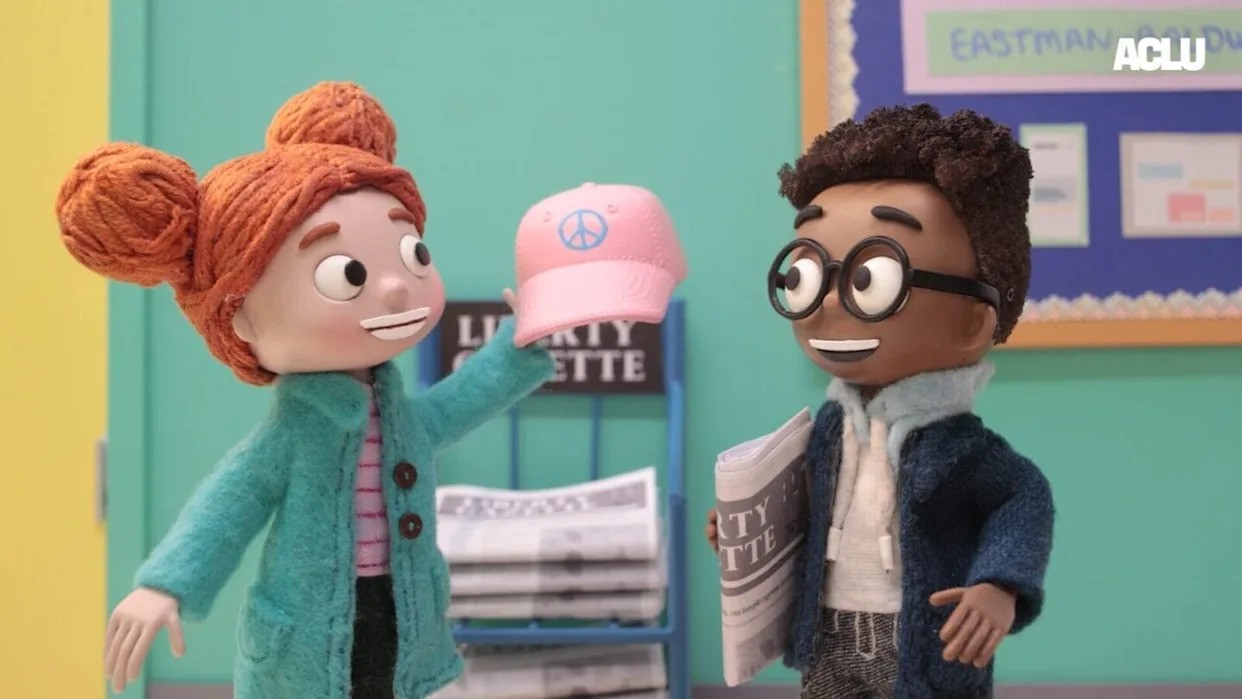
คุณพ่อคุณแม่ที่กำลังมองหาเครื่องมือสนุกๆ เพื่อปลูกฝังความรู้พื้นฐานเกี่ยวกับสิทธิและกฎหมายให้ลูกน้อย ลองนึกถึงการ์ตูนสั้นสนุกๆ ที่จะทำให้เด็กๆ เข้าใจว่า “รัฐบาลทำงานยังไง” หรือ “สิทธิของเรามีอะไรบ้าง” โดยไม่ต้องนั่งอ่านหนังสือหนาๆ เลยค่ะ ล่าสุดองค์กร ACLU (American Civil Liberties Union) ได้เปิดตัวซีรีส์แอนิเมชั่นสำหรับเด็กชื่อ “Know Your Rights University” หรือ KYR-U ซึ่งได้รับแรงบันดาลใจจากตำนานอย่าง Schoolhouse Rock! ที่หลายคนเติบโตมาพร้อมกับเพลงสนุกๆ เกี่ยวกับกฎหมาย ซีรีส์นี้ไม่ได้มุ่งหวังให้เด็กเป็นทนายความน้อยๆ แต่ต้องการปลูกเมล็ดพันธุ์แห่งความเข้าใจในเรื่องสิทธิขั้นพื้นฐาน การทำงานของรัฐ 3 ฝ่าย เสรีภาพในการแสดงออก และความสำคัญของชุมชน ผ่านเทคนิค stop-motion ที่น่ารักและดนตรีประกอบที่ติดหู คุณแบรนดอน โอ. เลค โปรดิวเซอร์ครีเอทีฟของ ACLU และคุณพ่อของลูกเล็ก บอกว่าเป้าหมายคือทำให้เนื้อหาย่อยง่าย ไม่ต้องทำการบ้านมาก่อนดู แค่ให้เด็กๆ สนุกและซึมซับไปตามธรรมชาติ ถือเป็นของขวัญล้ำค่าสำหรับพ่อแม่ที่อยากเริ่มสอนเรื่องสิทธิและหน้าที่อย่างเป็นธรรมชาติในยุคที่ข้อมูลข่าวสารซับซ้อนแบบนี้
วิเคราะห์เชิงลึก: พัฒนาการเด็กและการเลี้ยงดู
ประเด็นที่น่าสนใจมากสำหรับนักพัฒนาเด็กและพ่อแม่คือแนวทางการออกแบบเนื้อหาที่คำนึงถึง จิตวิทยาพัฒนาการ ของเด็กโดยตรง รายการนี้ออกแบบมาให้เหมาะกับเด็กประถมต้นซึ่งกำลังเริ่มเข้าใจแนวคิดนามธรรม เช่น กฎหมาย สิทธิ และสังคม
- ไม่ยัดเยียดความรู้: โปรดิวเซอร์เน้นย้ำว่าไม่ต้องการให้เด็กรู้สึกเหมือนถูก “สอบ” กลับบ้าน เพียงแค่ชวนคุยว่า “ชอบอะไร” “ไม่เข้าใจอะไร” หรือ “อะไรที่ทำให้แปลกใจ” ซึ่งเป็นเทคนิคการส่งเสริมการเรียนรู้แบบ inquiry-based learning หรือการเรียนรู้โดยใช้คำถามเป็นฐาน ช่วยให้เด็กสร้างความเข้าใจด้วยตนเองโดยไม่เครียด
- ใช้ดนตรีและภาพเป็นสื่อกลาง: การใช้เทคนิค stop-motion และเพลงสั้นๆ ช่วยกระตุ้น ความจำเชิงเสียง และ ความจำเชิงภาพ ของเด็ก ซึ่งสอดคล้องกับทฤษฎีการเรียนรู้หลายภาษา (Multisensory Learning) ทำให้เด็กจดจำเนื้อหาได้ยาวนานขึ้น โดยไม่ต้องท่องจำแบบน่าเบื่อ
- เชื่อมโยงกับชีวิตจริง: ตัวอย่างเช่น ตอนที่พูดถึง Tinker v. Des Moines ซึ่งเป็นคดีประวัติศาสตร์เกี่ยวกับสิทธิการแสดงออกของนักเรียนในโรงเรียน ช่วยให้เด็กเห็นว่าสิทธิที่พวกเขามีสามารถนำไปใช้ในชีวิตประจำวันได้จริง โดยเฉพาะในบริบทของการปกป้องเสรีภาพในการอ่านหนังสือและการพูด
สำหรับพ่อแม่ Thai ที่อาจกังวลว่าเนื้อหาจะไกลตัวเกินไป การดูร่วมกับลูกและตั้งคำถามง่ายๆ อย่าง “หนูคิดว่าหนูมีสิทธิอะไรที่โรงเรียนบ้าง?” เป็นจุดเริ่มต้นที่ดีมาก อย่าลืมว่าเป้าหมายคือการสร้างพลเมืองที่รู้เท่าทัน ไม่ใช่การสร้างนักกฎหมายตัวน้อย
FAQ (คำถามที่พบบ่อย)
-
KYR-U เหมาะกับเด็กอายุเท่าไหร่?
เหมาะกับเด็กชั้นประถมศึกษา (ประมาณ 6-12 ปี) ที่กำลังเริ่มเรียนรู้เกี่ยวกับสังคมและหน้าที่พลเมือง เนื้อหาถูกออกแบบให้เข้าใจง่าย ไม่ซับซ้อนเกินไป -
ต้องเตรียมตัวอะไรก่อนให้ลูกดูไหม?
ไม่จำเป็นเลยค่ะ ผู้สร้างแนะนำว่าไม่ต้องทำการบ้านมาก่อน เพียงแค่ให้ลูกดูอย่างสนุกสนาน แล้วถามความรู้สึกและสิ่งที่ประทับใจหลังจบตอนเท่านั้น
ข้อมูลอ้างอิง
ACLU – Know Your Rights University
Full English Article
Title: Meet Know Your Rights University: The Modern Civics Cartoon for Kids That Parents Should Know About
Introduction
Parents looking for a fun, engaging tool to teach children about basic rights and how government works may have found a new gem. The American Civil Liberties Union (ACLU) has launched an animated series titled “Know Your Rights University” (KYR-U), drawing inspiration from the iconic Schoolhouse Rock!. This stop-motion series, created by Brandon O. Lake (a senior creative producer at the ACLU, a stop-motion animator, teacher, and proud parent), aims to plant a seed of understanding in elementary school-aged children. Rather than trying to create junior constitutional lawyers, the show focuses on making civics digestible and memorable. Topics include the three branches of government, freedom of expression, and the concept of community. The production team worked closely with legal experts and education advisors to ensure accuracy and age-appropriateness. Lake emphasizes a relaxed approach: no prep work needed, and no quizzing after watching. Instead, parents are encouraged to ask open-ended questions like “What did you like?” or “What surprised you?” to foster natural learning.
Deep Dive: Child Development and Parenting Insights
For parents and child development experts, the show’s design is particularly thoughtful. It aligns well with developmental psychology for children aged 6 to 12, a crucial period for understanding abstract concepts like rights, rules, and fairness.
- Gentle Learning, No Pressure: The creator’s emphasis on not “quizzing at home” is key. This approach reduces anxiety and promotes intrinsic motivation—children learn because they’re curious, not because they fear a test. Asking “What surprised you?” encourages critical thinking and personal connection to the material.
- Multisensory Engagement: By using stop-motion animation (a classic, beloved technique) and catchy music videos, the series leverages both visual and auditory memory. This multisensory approach helps children retain complex information like the First Amendment or the function of the Supreme Court in a fun, almost subconscious way.
- Real-World Relevance: The episode referencing Tinker v. Des Moines (a landmark Supreme Court case about student free speech) is a brilliant example. It helps children understand that their rights are not just abstract words but have real, historical roots. This is especially valuable in current discussions about book bans and free expression in schools, as noted by reports from organizations like Education Week.
For families, this show serves as an excellent conversation starter. Watching together and then discussing simple questions can build a child’s foundational understanding of democracy and personal responsibility.
FAQ
-
What age group is Know Your Rights University (KYR-U) designed for?
It is designed for elementary school children (approximately ages 6 to 12), as they begin learning about civics and society. The content is carefully crafted to be engaging and understandable without being overly complex. -
Do I need to prepare my child before watching an episode?
No preparation is necessary. The creator suggests watching the episodes without any prior homework. Afterward, simply talk about what they enjoyed or found confusing. The goal is relaxed, pressure-free learning.