
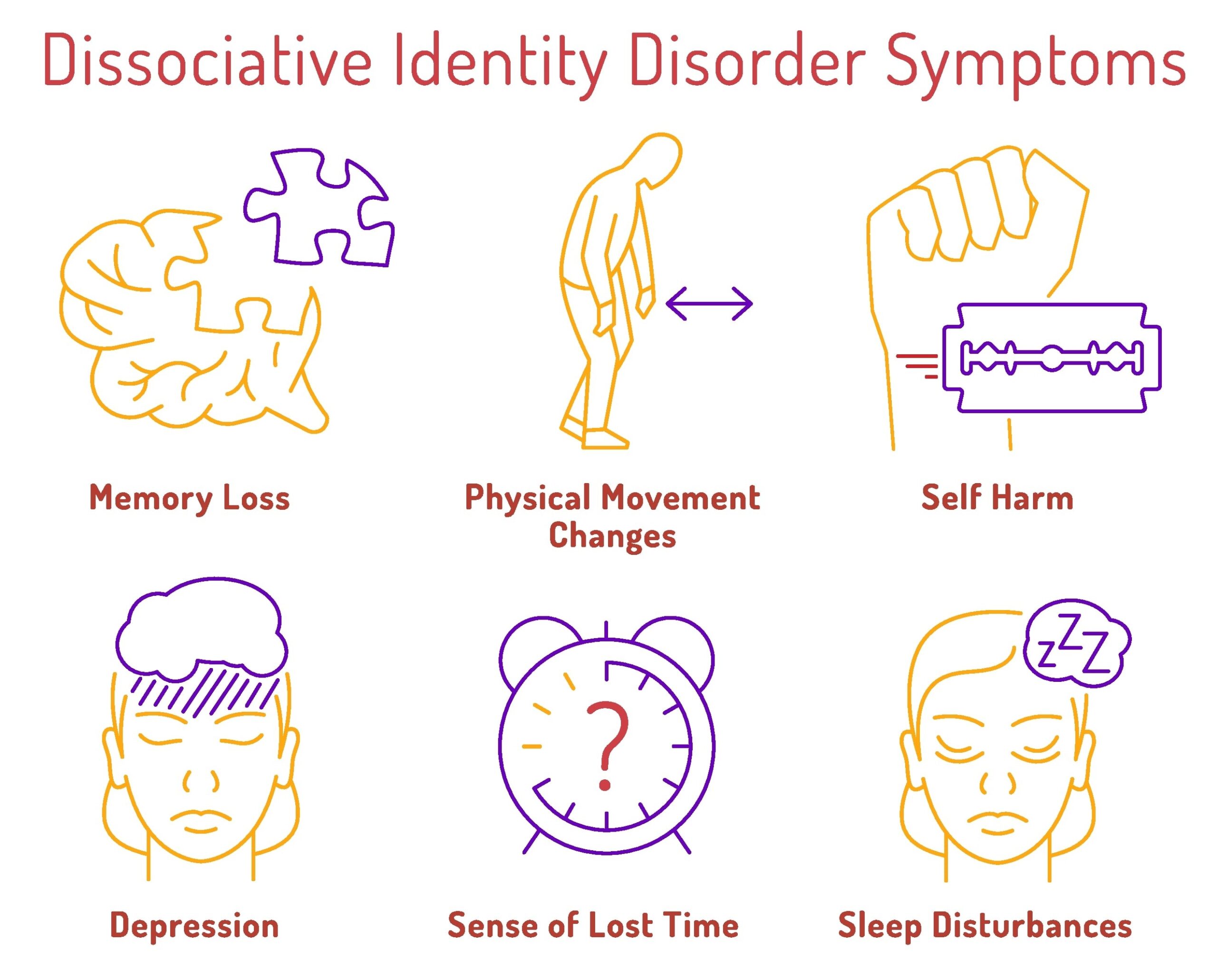
สวัสดีคุณพ่อคุณแม่ที่รักทุกท่าน บทความนี้จะพาไปทำความเข้าใจเกี่ยวกับ “ภาวะแยกตัว” (Dissociation) ในเด็ก ซึ่งเป็นกลไกทางจิตใจที่เกิดขึ้นเมื่อลูกรู้สึกว่าตัวเองไม่อยู่กับเนื้อกับตัว เหม่อลอย หรือเหมือนอยู่ในความฝัน เราจะวิเคราะห์อย่างละเอียดเพื่อให้เข้าใจเด็กเล็กและเด็กโตมากขึ้น พร้อมคำแนะนำเชิงปฏิบัติในการดูแลลูกน้อย
การวิเคราะห์เชิงลึกสำหรับคุณพ่อคุณแม่:
- สาเหตุหลักของภาวะแยกตัวในเด็ก มักเกิดจากการตอบสนองต่อความเครียด ความวิตกกังวล หรืออารมณ์ที่รุนแรงเกินกว่าที่เด็กจะจัดการได้ เช่น การสูญเสียบุคคลอันเป็นที่รัก การเปลี่ยนผ่านครั้งใหญ่ในชีวิต หรือประสบการณ์ที่กระทบกระเทือนจิตใจ
- สัญญาณที่ควรสังเกต เด็กอาจดูเงียบผิดปกติ ไม่อยู่กับเนื้อกับตัว จำเหตุการณ์ในช่วงนั้นไม่ได้ หรือรู้สึกชาทางอารมณ์ ในเด็กโตอาจมีปัญหาเรื่องสมาธิ ความจำ หรือการเล่นที่มีธีมเกี่ยวกับความเจ็บปวด
- ผลกระทบต่อพัฒนาการ การแยกตัวซ้ำๆ โดยไม่ได้รับการดูแลอาจส่งผลต่อความผูกพัน (attachment) สมาธิ และอารมณ์ เด็กอาจถูกเข้าใจผิดว่าเป็นคนไม่ตั้งใจหรือโกหก นำไปสู่ความสับสนและซึมเศร้า
- แนวทางปฏิบัติที่ปลอดภัย การใช้เทคนิค “การตั้งหลัก” (Grounding techniques) เช่น ให้เด็กบอกสิ่งที่เห็น ได้ยิน และรู้สึก หรือการโฟกัสที่ลมหายใจ จะช่วยให้ลูกกลับมาอยู่กับปัจจุบันได้
- เมื่อไหร่ควรพบผู้เชี่ยวชาญ หากพฤติกรรมนี้เกิดขึ้นบ่อย รุนแรง หรือรบกวนการใช้ชีวิตประจำวันของลูก ควรปรึกษากุมารแพทย์หรือนักจิตวิทยาเด็กเพื่อรับการประเมินและการรักษาที่เหมาะสม
เทคนิคการดูแลลูกน้อยเมื่อเกิดภาวะแยกตัว:
- สร้างแผนที่ชัดเจน พูดคุยกับลูกว่าควรทำอย่างไรเมื่อเกิดอาการ เช่น โฟกัสที่การหายใจ หรือสัมผัสสิ่งของรอบตัว
- ใช้คำพูดที่อบอุ่นและเป็นกำลังใจ บอกลูกว่า “แม่/พ่ออยู่ตรงนี้ ไม่เป็นไรนะ”
- สังเกตสิ่งกระตุ้น บันทึกสถานการณ์หรืออารมณ์ที่ทำให้ลูกเกิดภาวะนี้
- ให้เวลาและพื้นที่ปลอดภัย ไม่เร่งเร้าหรือดุว่าเมื่อลูกเกิดอาการ
Full English Translation:
Hello dear parents. This article will help you understand “dissociation” in children, a mental mechanism where a child feels detached from their body, emotionally numb, or like they are in a dream. We will provide an in-depth analysis to help you understand young children and older kids, along with practical parenting advice.
- Common causes include stress, anxiety, or overwhelming emotions. It can also be linked to trauma, major life changes (such as the sudden loss of a family member), or intense feelings the child doesn’t yet know how to manage.
- Signs to watch for include feeling detached from the body, emotionally numb, or like you’re in a dream. Some kids seem unusually quiet or “not themselves,” while others have trouble recalling what happened during that time. In older children, problems with memory, concentration, and play with traumatic themes may be visible.
- Impact on development can affect attachment, attention, and mood. Children may be accused of being careless, inattentive, or liars, leading to confusion and depression.
- Safe approaches include grounding techniques like naming what you see, hear, and feel, or focusing on breathing.
- When to seek help if it persists, causes distress, or interferes with a child’s life.
Citation Link: https://childmind.org/article/dissociation-signs-and-causes-in-children/