
อาการกระตุก (Tics) ที่เกิดขึ้นกับเด็กเล็ก ไม่ว่าจะเป็นการกระพริกตาถี่ๆ สะบัดศีรษะ หรือส่งเสียงแปลกๆ อาจทำให้ทั้งตัวเด็กและคุณพ่อคุณแม่รู้สึกกังวลไม่น้อย โดยเฉพาะเมื่ออาการรุนแรงขึ้นจนเริ่มส่งผลต่อการเรียนรู้และการใช้ชีวิต ในฐานะผู้เชี่ยวชาญด้านพัฒนาการเด็ก เราอยากให้ทุกครอบครัวเข้าใจว่าโรคทูเร็ตต์และอาการกระตุกเรื้อรังนั้นสามารถจัดการได้ และในกรณีที่การบำบัดทางพฤติกรรมยังไม่เพียงพอ การใช้ยาก็เป็นอีกหนึ่งทางเลือกที่ปลอดภัยและมีประสิทธิภาพ
การรักษาด้วยยาสำหรับอาการกระตุกและโรคทูเร็ตต์ในเด็ก
-
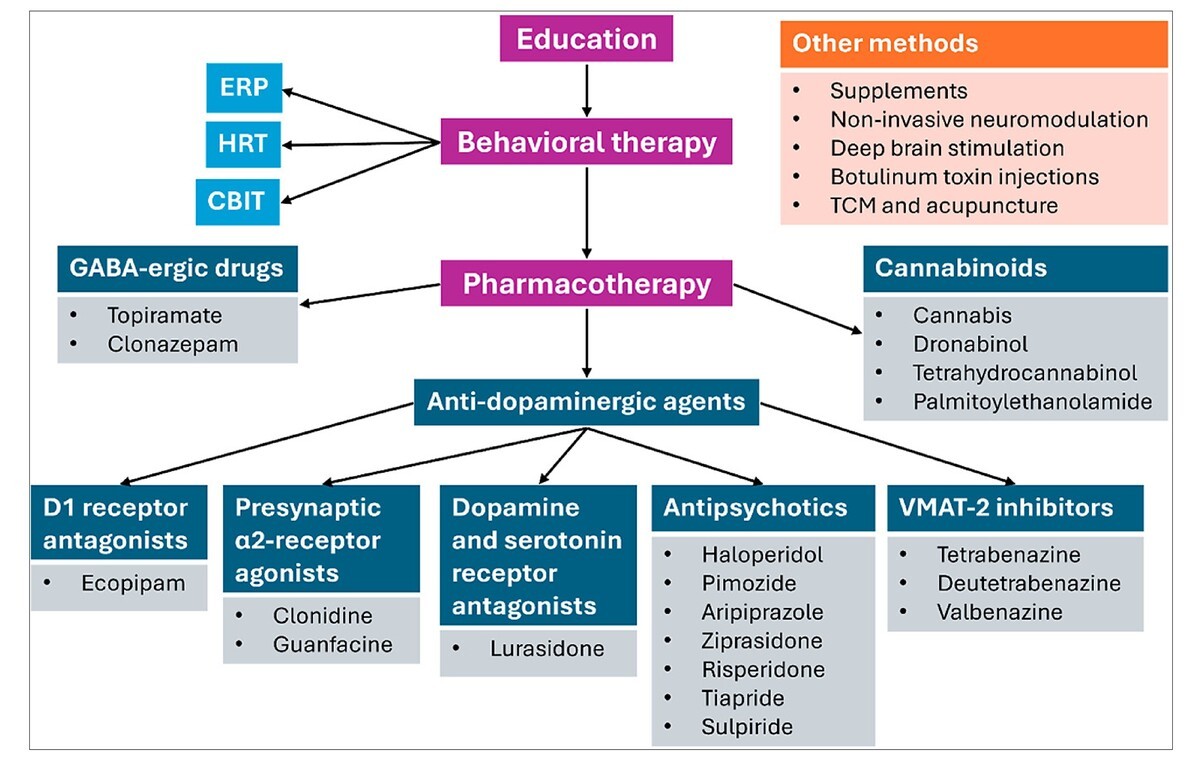
ยาทางเลือกแรก (First-line medications): มักเริ่มต้นด้วยยากลุ่ม Alpha-2 agonists เช่น Guanfacine และ Clonidine ซึ่งมีผลข้างเคียงค่อนข้างน้อย เช่น อาการง่วงซึมเล็กน้อย ความดันโลหิตลดลงบ้าง แต่ช่วยลดความถี่และความรุนแรงของอาการกระตุกได้ดี โดยยาทั้งสองชนิดนี้ทำหน้าที่เหมือน “สวิตช์ปรับแสง” ที่ช่วยลดการทำงานของสารสื่อประสาทในสมองที่กระตุ้นระบบประสาท ทำให้เด็กควบคุมแรงกระตุ้นในการกระตุกได้ดีขึ้น
-
ยาทางเลือกที่สอง (Second-line medications): หากอาการกระตุกยังคงรุนแรง หรือตอบสนองต่อยาในกลุ่มแรกไม่ดีพอ แพทย์อาจพิจารณาใช้ยากลุ่ม Atypical antipsychotics เช่น Ariipiprazole (Abilify) หรือ Risperidone (Risperdal) ซึ่งมีประสิทธิภาพสูงกว่า แต่ต้องใช้ภายใต้การดูแลอย่างใกล้ชิด เนื่องจากอาจมีผลข้างเคียงที่ต้องเฝ้าระวัง เช่น การเพิ่มของน้ำหนัก อาการซึม หรือการเคลื่อนไหวผิดปกติ
-
กรณีที่มีภาวะสมาธิสั้นร่วมด้วย: ในเด็กที่มีอาการกระตุกและสมาธิสั้น (ADHD) การใช้ Clonidine ร่วมกับ Methylphenidate หรือใช้ Guanfacine เพียงอย่างเดียว อาจช่วยลดอาการทั้งสองอย่างได้พร้อมกัน โดยไม่กระตุ้นให้อาการกระตุกแย่ลง
-
การบำบัดเสริม (Habit Reversal Therapy): แม้การใช้ยาจะช่วยได้มาก แต่ก็ไม่ควรมองข้ามการบำบัดทางพฤติกรรม โดยเฉพาะเทคนิคการฝึกกลับนิสัย (Habit Reversal Training) ซึ่งช่วยให้เด็กรู้เท่าทันสัญญาณเตือนก่อนเกิดอาการกระตุก และใช้กลไกอื่นมาทดแทน
Full English Translation
Medication Options for Tics and Tourette’s Syndrome
Thai Intro: Tics in children, whether frequent eye blinking, head jerking, or making strange sounds, can cause significant anxiety for both the child and parents. This is especially true when symptoms become severe enough to affect learning and daily life. As child development experts, we want every family to understand that Tourette’s syndrome and chronic tics can be managed, and when behavioral therapy is insufficient, medication is a safe and effective option.
Deep Analysis:
– First-line medications: Alpha-2 agonists like Guanfacine and Clonidine are typically tried first due to mild side effects like slight drowsiness or lowered blood pressure. They act as a “dimmer switch” to reduce neurotransmitter activity that triggers tics.
– Second-line medications: If tics remain severe, atypical antipsychotics (e.g., Abilify, Risperdal) may be used under close monitoring due to potential side effects like weight gain or movement issues.
– ADHD comorbidity: Children with both tics and ADHD may benefit from Clonidine combined with methylphenidate, or Guanfacine alone, which can reduce both conditions without worsening tics.
– Behavioral therapy: Habit Reversal Therapy (HRT) remains an important non-drug approach to help children recognize premonitory urges and use competing responses.
FAQs covered: Medication side effects are generally mild for first-line drugs, and long-term use is not always necessary as many children see symptom reduction with age.
Citation Link: https://childmind.org/article/medication-treatment-for-tics-and-tourettes/