
บทนำภาษาไทย
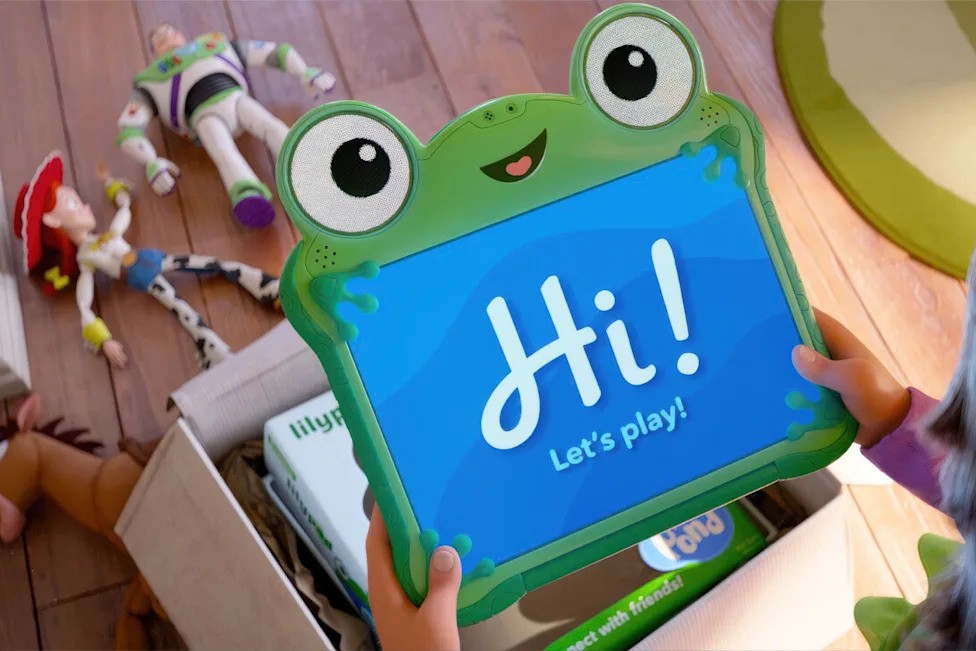
ภาพยนตร์แอนิเมชั่นคลาสสิก “Toy Story 5” กำลังจะกลับมาสร้างเสียงฮือฮา แต่ครั้งนี้ ความสนุกไม่ได้จำกัดอยู่แค่การผจญภัยของของเล่นอีกต่อไป เพราะตัวร้ายคนใหม่ที่สร้างความกังวลให้พ่อแม่ผู้ปกครองทั่วโลก ไม่ใช่หมีนักสะสมของเล่น หรือมนุษย์อวกาศชั่วร้าย แต่คือ… “แท็บเล็ต” ชื่อ ลิลลี่แพด ที่กำลังกลายเป็นประเด็นร้อนในวงสนทนาเรื่องการเลี้ยงลูกยุคดิจิทัล
วิเคราะห์เชิงลึกเพื่อพัฒนาการเด็ก: ทำไม ‘Toy Story 5’ ถึงเป็นกระจกสะท้อนปัญหาหน้าจอที่พ่อแม่ต้องดู
- ตีแผ่ธรรมชาติการเสพติดของหน้าจอ – ภาพยนตร์ไม่ได้แค่ชี้ว่า “เล่นเยอะไม่ดี” แต่แสดงให้เห็นกลไกการเสพติดผ่านตัวละครลิลลี่แพดที่ “สื่อสาร” กับเด็กเพื่อสร้างความผูกพันทางอารมณ์ ตรงกับงานวิจัยที่พบว่าแอปพลิเคชันและเกมถูกออกแบบมาให้กระตุ้นโดปามีนในสมองเด็ก ส่งผลให้เด็กยากที่จะหยุดเล่น แม้จะรู้ว่ากำลังพลาดโอกาสสร้างความสัมพันธ์จริงๆ
- ผลกระทบต่อสุขภาพจิตและอารมณ์ของเด็ก – ลิลลี่แพดกลายเป็น “ตัวเชื่อม” ให้บอนนี่เข้าสังคมกับเพื่อนๆ ผ่านโลกออนไลน์ แต่กลับทำให้เธอถูกกลั่นแกล้ง (bully) และถูกกีดกันออกจากมุกตลกของกลุ่มเพื่อนเต้น สะท้อนให้เห็นว่าการใช้หน้าจอมากเกินไปไม่ได้แค่ทำให้เสียสายตา แต่ยังสร้าง “ความวิตกกังวลทางสังคม” (social anxiety) และ “ความกลัวการพลาด” (FOMO) ในเด็กวัย 8-12 ปี
- บทบาทของพ่อแม่: ทางออกไม่ใช่การห้ามแต่คือการออกแบบ – ตอนจบของเรื่องที่ลิลลี่แพด “เสียสละตัวเอง” เพราะตระหนักว่าสภาพจิตใจของบอนนี่ย่ำแย่ลงจากการเสพติดจอ เป็นสัญญาณเตือนว่าเทคโนโลยีไม่ใช่ตัวร้ายที่ต้องกำจัด แต่คือ “เครื่องมือ” ที่พ่อแม่ต้องรู้จักวางกติกาและจำกัดเวลาใช้งานอย่างเหมาะสม
- การเล่นของเล่นจริง vs. โลกดิจิทัล – จุดเปลี่ยนสำคัญคือเมื่อเจสซี่ (Jessie) ได้พบกับกลุ่มของเล่นเทคโนโลยีรุ่นเก่าที่ถูกทิ้งไว้ในบ้านของเอมิลี่ เจ้าของคนแรก สะท้อนให้เห็นวัฏจักรที่เด็กจะ “ทิ้ง” ของเล่นเมื่องานอดิเรกเปลี่ยนไป ซึ่งเป็นบทเรียนสำคัญสำหรับพ่อแม่ในการสอนลูกเรื่องความผูกพันและคุณค่าของสิ่งของ
5 ข้อคิดจาก Toy Story 5 สำหรับพ่อแม่ในการเลี้ยงลูกยุคดิจิทัล
- สังเกตสัญญาณอันตราย: หากลูกเริ่มมีอาการกระสับกระส่าย โกรธง่าย หรือแยกตัวออกจากครอบครัวเมื่อไม่ได้เล่นแท็บเล็ต นั่นคือสัญญาณของการเสพติดที่ต้องรีบจัดการ
- สร้าง “เขตปลอดจอ”: กำหนดพื้นที่ในบ้าน เช่น ห้องนอนเด็ก หรือโต๊ะอาหาร ให้เป็นพื้นที่ปลอดอุปกรณ์อิเล็กทรอนิกส์ เพื่อส่งเสริมการสื่อสารแบบตัวต่อตัว
- ใช้ “ของเล่น” เป็นตัวกลาง: หลังจากดูหนังจบ ลองชวนลูกคุยว่า “ถ้าเราเป็นบอนนี่ เราจะช่วยให้ของเล่นของเราไม่เหงานะ?” เพื่อกระตุ้นจินตนาการและความเห็นอกเห็นใจ
- จำกัดเวลาหน้าจอตามคำแนะนำของกุมารแพทย์: เด็กอายุ 6-12 ปี ไม่ควรใช้หน้าจอเพื่อความบันเทิงเกิน 2 ชั่วโมงต่อวัน และควรมีกิจกรรมกลางแจ้งหรือเล่นของเล่นอย่างน้อย 1 ชั่วโมง
- เป็นแบบอย่างที่ดี: เด็กเลียนแบบพฤติกรรมพ่อแม่ การที่คุณพ่อคุณแม่ลดการเล่นโทรศัพท์เวลาอยู่กับลูก จะส่งผลดีต่อจิตใต้สำนึกของเด็กมากกว่าการสั่งห้าม
FAQs: คำถามที่พบบ่อยเกี่ยวกับ Toy Story 5 และการเลี้ยงลูก
Full English Translation
(FULL ENGLISH TRANSLATION OF THE ENTIRE THAI CONTENT ABOVE) – Toy Story 5: The Tablet Crisis? When a Device Becomes Both Villain and Lifeline for Parents. The classic animated film “Toy Story 5” is returning to create buzz, but this time the fun isn’t just limited to the adventures of toys. The new villain causing anxiety for parents worldwide is not a toy collector bear or an evil space ranger, but… a “tablet” named Lilypad, which is becoming a hot topic in conversations about raising children in the digital age. In-depth Child Development Analysis: Why Toy Story 5 is a Mirror Reflecting the Screen Time Problem Parents Must Watch. The film doesn’t just point out that “playing too much is bad,” but shows the addictive mechanism through the character Lilypad that “communicates” with the child to create an emotional bond. This aligns with research showing that apps and games are designed to stimulate dopamine in a child’s brain, making it difficult for them to stop playing even when they know they are missing out on real-world relationships. Impact on Children’s Mental and Emotional Health: Lilypad becomes a “connector” for Bonnie to socialize with friends online, but it leads to her being bullied and excluded from in-jokes with her dance group. This reflects that excessive screen time not only harms eyesight but also creates social anxiety and FOMO (Fear Of Missing Out) in children aged 8-12. The Role of Parents: The Solution is Not Prohibition but Design. The ending where Lilypad “sacrifices itself” because it realizes Bonnie’s mental state is worsening from screen addiction is a warning that technology is not a villain to be eliminated, but a tool that parents must know how to set rules and limit usage time appropriately. Real Toy Play vs. Digital World: A key turning point is when Jessie meets a group of old, discarded tech toys in Emily’s house, reflecting the cycle where children “abandon” their toys as their hobbies change. This is a crucial lesson for parents in teaching children about attachment and the value of things. 5 Key Takeaways from Toy Story 5 for Parents Raising Digital Age Kids. 1. Observe Warning Signs: If a child shows signs of restlessness, anger, or withdrawing from family when unable to play on a tablet, this is a sign of potential addiction. 2. Create “Screen-Free Zones”: Designate areas in the home, such as the child’s bedroom or dining table, as electronic-free zones to promote face-to-face communication. 3. Use Toys as Mediators: After watching the movie, ask your child “If we were Bonnie, how would we help the toys not feel lonely?” to stimulate imagination and empathy. 4. Limit Screen Time Per Pediatric Guidelines: Children aged 6-12 should not have more than 2 hours of recreational screen time per day and should have at least 1 hour of outdoor or toy play. 5. Be a Good Role Model: Children imitate their parents’ behavior. Parents reducing their own phone use while with their children will have a more positive subconscious impact than simply forbidding it.
แหล่งอ้างอิง (Citation Link)
– https://www.commonsensemedia.org/movie-reviews/toy-story-5