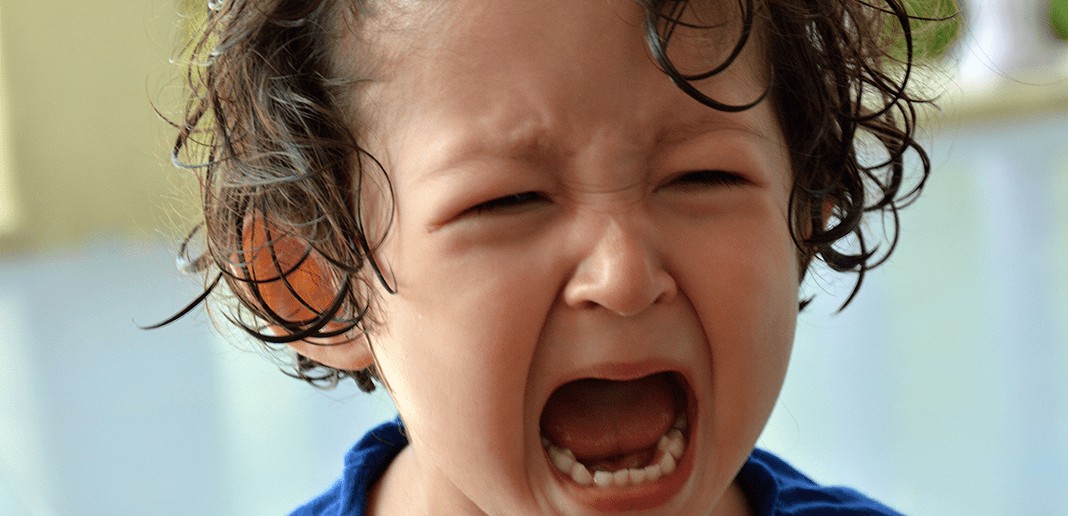
เมื่อลูกของคุณแสดงพฤติกรรมก้าวร้าว เช่น กรีดร้อง ขว้างปาสิ่งของ หรือทำร้ายร่างกาย การรับมืออาจเป็นเรื่องยากและทำให้พ่อแม่รู้สึกหมดหนทาง แต่สิ่งสำคัญที่สุดคือการควบคุมอารมณ์ของตัวเองให้มั่นคง
การวิเคราะห์เชิงลึกสำหรับพัฒนาการเด็ก
- เข้าใจต้นเหตุ: พฤติกรรมก้าวร้าวในเด็กมักเกิดจากการขาดทักษะในการจัดการกับความ frustrate หรืออารมณ์ไม่สบายใจ ไม่ใช่เพราะเด็กต้องการทดสอบขีดจำกัดหรือเรียกร้องความสนใจเสมอไป
- สาเหตุแฝง: ปัญหาความก้าวร้าวในเด็กบางครั้งอาจเกิดจากปัญหาอื่นที่ต้องได้รับการรักษา เช่น สมาธิสั้น (ADHD), โรควิตกกังวล, ปัญหาการเรียนรู้ หรือออทิสติก
- การเป็นแบบอย่างที่ดี: การที่พ่อแม่สงบนิ่งเมื่อลูกโกรธจะช่วยให้เด็กเรียนรู้ที่จะควบคุมอารมณ์ของตัวเองตามไปด้วย
เทคนิคการรับมือที่มีประสิทธิภาพ
- สงบสติอารมณ์: เมื่อลูกกำลังโกรธจัด ให้คุณหายใจลึกๆ และรักษาน้ำเสียงที่ราบเรียบ การตะโกนจะทำให้สถานการณ์แย่ลงและทำให้เด็กก้าวร้าวมากขึ้น
- อย่ายอมแพ้: การยอมตามความต้องการของเด็กเพื่อให้พฤติกรรมหยุดลง จะกระตุ้นให้เด็กใช้ความก้าวร้าวเป็นเครื่องมือในการต่อรองต่อไป
- ชมเชยเมื่อเหมาะสม: เมื่อเด็กสงบลงแล้ว ให้ชมเชยที่พวกเขาสามารถควบคุมตัวเองได้ และเมื่อเด็กพยายามแสดงความรู้สึกด้วยคำพูดอย่างใจเย็น ให้ยกย่องความพยายามนั้น
- สอนทักษะการแก้ปัญหา: ช่วยเด็กเรียนรู้วิธีแสดงความรู้สึกด้วยวิธีที่เหมาะสม และสื่อสารอย่างมีประสิทธิภาพ
- เรียนรู้สิ่งกระตุ้น: สังเกตว่าสถานการณ์ไหนที่ทำให้ลูกโกรธ เช่น การขอให้เลิกเล่นเกม ให้เตือนล่วงหน้าอย่างนุ่มนวลก่อนถึงเวลาเลิก
- การจัดการกับอารมณ์เกรี้ยวกราด: ถ้าลูกไม่ใช้ความรุนแรง การเพิกเฉยมักเป็นวิธีที่ดีที่สุด แต่ถ้าลูกเริ่มทำร้ายร่างกาย ให้พาไปยังที่ปลอดภัย เช่น เก้าอี้ timeout หรือห้องที่ไม่มีของเล่น
- ขอความช่วยเหลือจากผู้เชี่ยวชาญ: หากพฤติกรรมของลูกรุนแรงเกินกว่าที่คุณจะรับไหว การบำบัดทางความคิดและพฤติกรรม (CBT) สามารถสอนทักษะการรับมือให้ทั้งเด็กและผู้ปกครองได้
คำถามที่พบบ่อย (FAQs)
Full English Translation
When your child displays aggressive behavior such as screaming, throwing things, or physical hitting, coping can be difficult and leave parents feeling helpless. But the most important thing is to maintain your own emotional stability.
Deep Analysis for Child Development
– Understand the root cause: Aggressive behavior in children often stems from a lack of skills in managing frustration or uncomfortable feelings, not necessarily from a desire to test limits or seek attention.
– Underlying causes: Anger issues in children can sometimes be caused by other problems requiring treatment, such as ADHD, anxiety, learning disabilities, or autism.
– Modeling good behavior: When parents remain calm during a child’s anger, it helps the child learn to regulate their own emotions accordingly.
Effective Coping Techniques
1. Stay calm: When your child is enraged, breathe deeply and maintain a steady tone. Yelling will worsen the situation and make the child more aggressive.
2. Don’t give in: Giving in to a child’s demands to stop the behavior will encourage them to use aggression as a bargaining tool.
3. Praise appropriate behavior: Once the child has calmed down, praise them for regaining control. When they try to express feelings verbally and calmly, acknowledge that effort.
4. Teach problem-solving skills: Help children learn how to express feelings in appropriate ways and communicate effectively.
5. Learn triggers: Observe situations that make your child angry, such as being asked to stop playing a game. Give gentle warnings before time is up.
6. Managing tantrums: If your child is not being violent, ignoring the behavior is often best. If they become physical, move them to a safe place, such as a timeout chair or a room without toys.
7. Seek professional help: If your child’s behavior is too much to handle, Cognitive Behavioral Therapy (CBT) can teach coping skills to both the child and the parents.
Citation Link
Source: Child Mind Institute – Angry Kids: Dealing With Explosive Behavior