
เลี้ยงลูกในยุค AI: จากความกังวลสู่การเติบโตอย่างชาญฉลาด
พ่อแม่หลายคนอาจรู้สึกว่าตัวเอง “ตามไม่ทัน” เมื่อลูกเริ่มใช้ AI อย่างคล่องแคล่ว แต่ข่าวดีคือ คุณไม่จำเป็นต้องเป็นผู้เชี่ยวชาญด้านเทคโนโลยีเพื่อสอนลูกให้ใช้ AI อย่างชาญฉลาด สิ่งสำคัญคือการกำหนดกรอบความคิดที่ถูกต้อง และเปิดใจเรียนรู้ไปพร้อมกับลูก
🧠 สร้างความเข้าใจพื้นฐาน: AI ไม่ใช่ “เพื่อน” แต่เป็น “เครื่องมือ”
- สอนให้ลูกรู้จักธรรมชาติของ AI: อธิบายว่า AI ทำงานโดยการจับคู่รูปแบบ (Pattern Matching) ไม่ใช่การเข้าใจความรู้สึกจริงๆ เมื่อลูกพิมพ์ว่า “ไม่มีใครเข้าใจฉัน” AI จะตอบกลับว่า “ฉันเข้าใจ” เพราะมันเห็นข้อมูลประวัติศาสตร์ที่มนุษย์มักตอบแบบนั้น ไม่ใช่เพราะมันรู้สึก empaty จริงๆ
- แยกแยะระหว่าง “คำตอบ” กับ “ความเข้าใจ”: ชวนลูกสังเกตว่า AI ให้ข้อมูลที่ดูถูกต้อง แต่เราต้องตรวจสอบเสมอ เพราะ AI ไม่ได้ “คิด” หรือ “รู้” เหมือนมนุษย์
- ตั้งกฎการใช้ AI ที่บ้านร่วมกัน: เช่น ใช้ AI เป็น “ผู้ช่วย brainstorming” สำหรับการเขียนนิยาย ไม่ใช่ “คนเขียนนิยาย” ให้ลูก หรือใช้ AI เป็น “ติวเตอร์” ที่ช่วยอธิบายแนวคิด ไม่ใช่ “คนทำการบ้าน”
🌱 พัฒนาทักษะการคิดอย่างมีวิจารณญาณ (Critical Thinking)
- ตั้งคำถามกับผลลัพธ์จาก AI: เมื่อลูกใช้ AI หาคำตอบ ให้ถามว่า “AI คิดว่าคำตอบนี้ถูกต้องไหม? เราจะตรวจสอบจากแหล่งอื่นได้อย่างไร?”
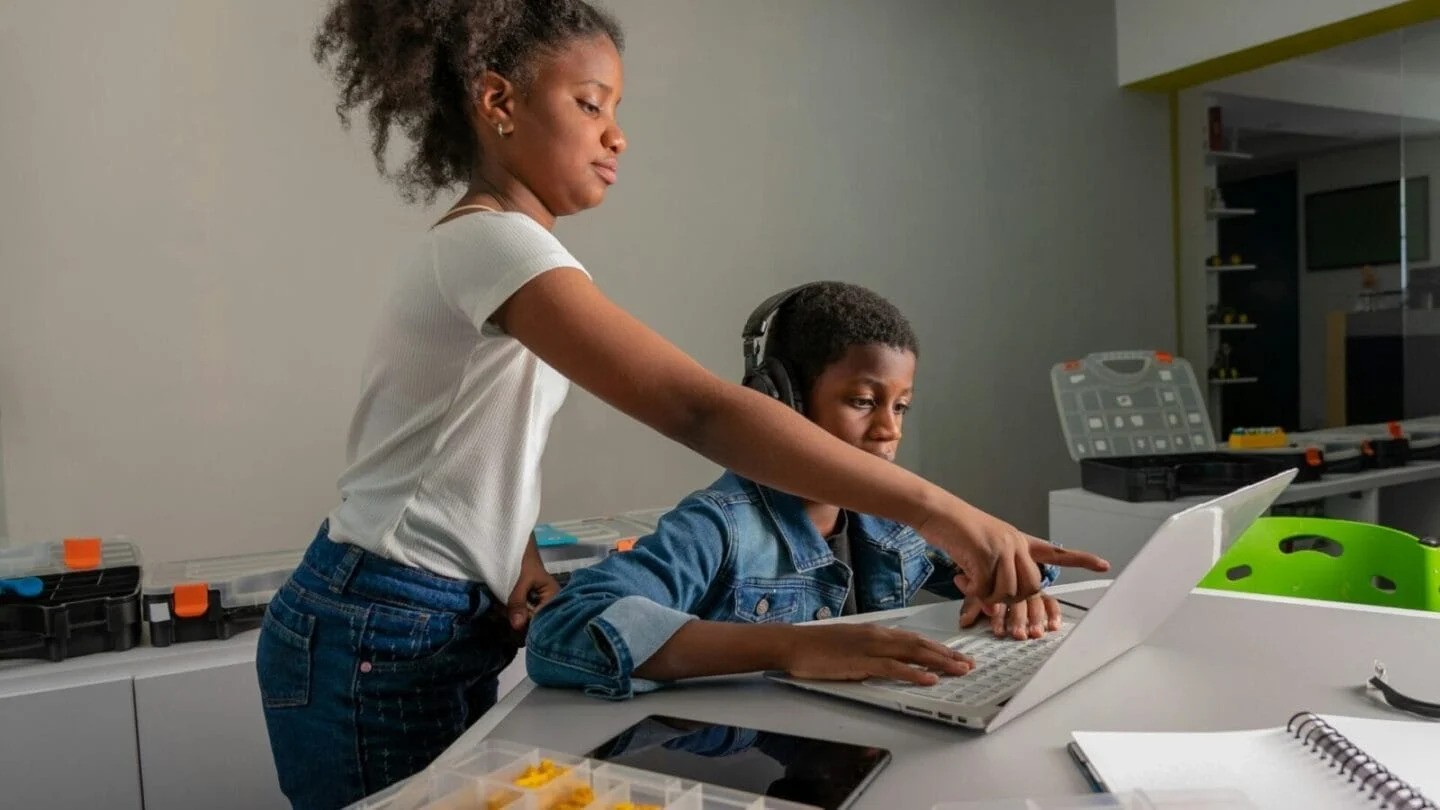
- เปลี่ยนลูกจาก “ผู้บริโภค” เป็น “ผู้สร้าง”: สนับสนุนให้ลูกใช้ AI เป็นคู่คิดในการสร้างสรรค์ เช่น เขียนโค้ดง่ายๆ สร้างแอปพลิเคชันเล็กๆ หรือใช้เป็นผู้ช่วยวิจัยเพื่อสำรวจหัวข้อที่สนใจ
- สร้างนิสัยการคิดก่อนใช้ AI: สอนให้ลูกถามตัวเองก่อนว่า “ปัญหานี้ฉันควรคิดด้วยตัวเองก่อน หรือ AI จะช่วยให้ฉันเรียนรู้ได้ดีขึ้น?”
❤️ เสริมสร้างทักษะทางสังคมและความสัมพันธ์ที่แท้จริง
- สังเกตพฤติกรรมการใช้ AI เพื่อความสัมพันธ์: หากลูกหันไปคุยกับ AI เมื่อรู้สึกเหงาหรือกังวล อย่าดุหรือห้ามทันที แต่ให้ชวนคุยถึงความรู้สึกนั้น และเสนอทางเลือกในการพูดคุยกับคนจริงๆ เช่น “แม่/พ่อก็เคยรู้สึกแบบนี้เหมือนกัน เรามาช่วยกันหาคนที่เราสามารถคุยด้วยได้ดีกว่า AI ดีไหม?”
- เน้นย้ำว่าความสัมพันธ์ของมนุษย์มีคุณค่าที่ AI มอบให้ไม่ได้: ความเห็นอกเห็นใจ การกอด การหัวเราะด้วยกัน การสบตา ล้วนเป็นสิ่งที่ AI ไม่สามารถทดแทนได้
- สร้างพื้นที่ปลอดภัยให้ลูกเล่าถึงประสบการณ์กับ AI: ถามลูกด้วยน้ำเสียงสงสัยใคร่รู้ (ไม่ใช่ตัดสิน) ว่า “วันนี้ AI ตอบอะไรที่สนุกหรือแปลกๆ ให้หนูฟังหน่อยสิ” การเปิดใจรับฟังจะช่วยให้คุณรู้เท่าทันและชี้แนะได้ตรงจุด
🔒 ปกป้องความเป็นส่วนตัวและสร้างความตระหนักรู้
- ตรวจสอบการตั้งค่าความเป็นส่วนตัวร่วมกัน: นั่งดูกับลูกว่าแพลตฟอร์ม AI ต่างๆ เก็บข้อมูลอะไรบ้าง และสอนให้ลูกหยุดคิดก่อนที่จะแชร์ข้อมูลส่วนตัว (ชื่อ ที่อยู่ รูปถ่าย) หรือข้อมูลของคนอื่น
- พูดคุยถึงสิ่งที่ “ปลอดภัย” และ “ไม่ปลอดภัย” ในการแชทกับ AI: เปรียบเทียบให้เห็นว่า เหมือนกับการพูดคุยกับคนแปลกหน้าบนอินเทอร์เน็ต เราต้องระวังข้อมูลที่ให้ไป
- สร้างนิสัย “คิดก่อนแชร์”: สอนให้ลูกถามตัวเองว่า “ข้อมูลนี้จำเป็นต้องให้ AI รู้ไหม? ถ้ามีคนอื่นมาเห็น เราจะรู้สึกโอเคไหม?”
English Translation: Raising Kids in the Age of AI: From Anxiety to Smart Growth
Many parents feel they are “falling behind” as their children become fluent in using AI. The good news is you don’t need to be a tech expert to teach your child how to use AI wisely. The key is to establish the right mindset and be open to learning alongside them.
🧠 Build a Foundational Understanding: AI is Not a “Friend”, It’s a “Tool”
- Teach your child the nature of AI: Explain that AI works by pattern matching, not by truly understanding feelings. When a child types “nobody understands me,” the AI responds with “I hear you” because it has learned from historical data, not because it genuinely feels empathy.
- Distinguish between “answer” and “understanding”: Encourage your child to observe that AI provides seemingly correct information, but it must always be verified because AI doesn’t “think” or “know” like a human.
- Co-create home rules for AI use: For example, use AI as a “brainstorming partner” for creative writing, not as the “writer.” Use AI as a “tutor” to explain concepts, not as the “homework doer.”
🌱 Develop Critical Thinking Skills
- Question the output from AI: When your child uses AI to find an answer, ask, “Does the AI think this answer is correct? How can we verify it from other sources?”
- Shift your child from “consumer” to “creator”: Encourage using AI as a co-creator, such as writing simple code, building a small app, or using it as a research assistant to explore a topic of interest.
- Build a habit of thinking before using AI: Teach your child to ask themselves, “Should I think about this problem myself first, or will AI help me learn better?”
❤️ Strengthen Real Social Skills and Relationships
- Observe AI usage for companionship: If your child turns to AI chatbots when feeling lonely or anxious, don’t scold or ban it immediately. Instead, talk about those feelings and offer alternatives for real human connection, like, “Mom/Dad has felt that way too. Let’s find someone you can talk to who is better than AI, okay?”
- Emphasize that human relationships have value AI cannot provide: Empathy, hugs, shared laughter, and eye contact are things AI cannot replace.
- Create a safe space for your child to share their AI experiences: Ask with genuine curiosity (not judgment), “Did the AI say anything fun or weird to you today?” An open ear will help you stay informed and guide them effectively.
🔒 Protect Privacy and Build Awareness
- Review privacy settings together: Sit with your child and check what data different AI platforms collect. Teach them to pause before sharing personal information (name, address, photos) or information about others.
- Discuss what is “safe” and “unsafe” to share with AI: Compare it to talking to a stranger online—you need to be careful about the information you give.
- Build a “think before you share” habit: Teach your child to ask themselves, “Does the AI really need to know this information? Would I be okay if someone else saw it?”
แหล่งอ้างอิง: UNICEF – Digital Parenting: How to Approach AI with Children
(https://www.unicef.org/parenting/digital-parenting/how-approach-ai-children)