การศึกษาใหม่จากญี่ปุ่นเปิดความจริงน่าประหลาด: ‘นมแม่’ ป้องกันโรคหืดและเยื่อบุตาอักเสบ แต่กลับเพิ่มความเสี่ยง ‘แพ้อาหาร’ และ ‘ผิวหนังอักเสบ’ โดยเฉพาะในเด็กผู้ชาย
การเลี้ยงลูกด้วยนมแม่ถือเป็น黄金มาตรฐาน (gold standard) สำหรับโภชนาการทารก แต่ผลวิจัยล่าสุดจากมหาวิทยาลัยโทยามะ ประเทศญี่ปุ่น ซึ่งวิเคราะห์ข้อมูลจากคู่แม่-ลูกมากถึง 88,037 คู่ กลับพบว่า ความสัมพันธ์ระหว่างนมแม่กับภูมิแพ้ในเด็กนั้น ‘ซับซ้อนกว่าที่คิด’ อย่างมาก
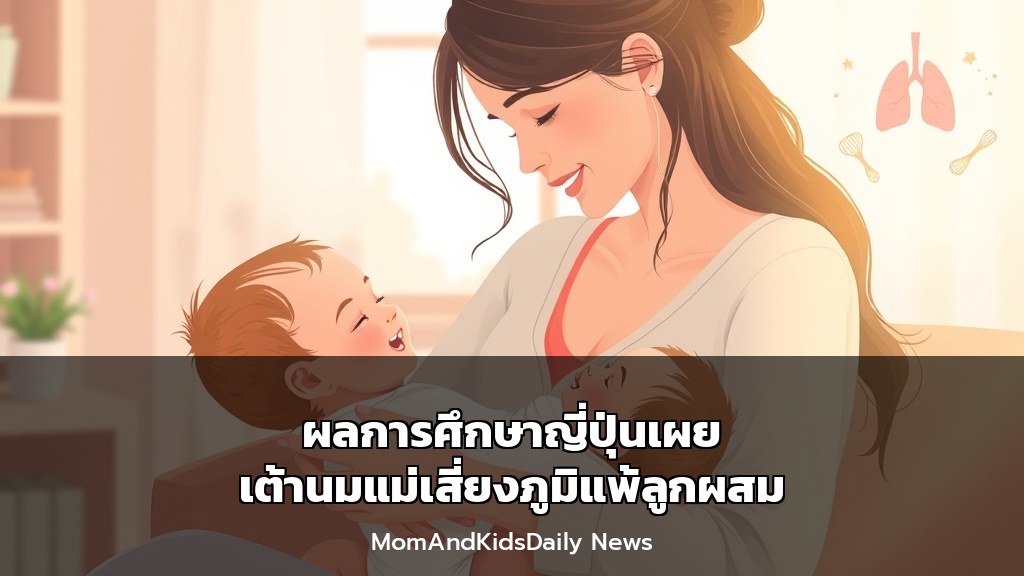
ทีมวิจัยพบว่า การเลี้ยงลูกด้วยนมแม่อย่างเดียว (Exclusive Breastfeeding: EBF) เป็นเวลา 6 เดือนแรก สัมพันธ์กับอัตราการเกิดโรคหืด (bronchial asthma) และเยื่อบุตาอักเสบจากภูมิแพ้ (allergic rhinoconjunctivitis) ที่ลดลง แต่น่าประหลาดใจที่ EBF กลับสัมพันธ์กับความเสี่ยงที่สูงขึ้นของ การแพ้อาหาร (food allergy) โดยเฉพาะในเด็กผู้ชาย และ โรคผิวหนังอักเสบภูมิแพ้ (atopic dermatitis)
ในฐานะผู้เชี่ยวชาญด้านการพัฒนาเด็กและกุมารเวชศาสตร์ ข้อมูลนี้ไม่ใช่คำบอกเลิกนมแม่ แต่เป็นสัญญาณให้พ่อแม่และบุคลากรทางการแพทย์มองภาพรวมแบบองค์รวมมากขึ้น
ประเด็นสำคัญที่ต้องทำความเข้าใจ:
-
นมแม่ไม่ใช่ ‘หนึ่งเดียวที่สมบูรณ์แบบ’ สำหรับทุกคนในทุกมิติ แม้น้ำนมแม่มีสารอาหารและแอนติบอดีที่ยอดเยี่ยม แต่การที่ระบบภูมิคุ้มกันของเด็กแต่ละคนตอบสนองต่อโปรตีนในนมแม่แตกต่างกัน อาจเป็นปัจจัยที่อธิบายความเสี่ยงที่เพิ่มขึ้นของอาการแพ้อาหาร โดยเฉพาะในเด็กผู้ชายที่มีแนวโน้มภูมิแพ้สูงกว่าตามธรรมชาติอยู่แล้ว
-
การป้องกันโรคหืดและเยื่อบุตาอักเสบเป็นข้อดีที่ชัดเจน ซึ่งสอดคล้องกับงานวิจัยก่อนหน้านี้ที่บ่งชี้ว่าสารชีวภาพในนมแม่ เช่น TGF-β และ secretory IgA มีส่วนช่วยลดการอักเสบของทางเดินหายใจ
-
ความแตกต่างทางเพศ (Sex Differences) ทวีความสำคัญ การที่ EBF เพิ่มความเสี่ยงแพ้อาหารในเด็กผู้ชายชี้ให้เห็นว่าฮอร์โมนและ epigenetic factors มีบทบาทสำคัญ วิธีดูแลเด็กชายและเด็กหญิงอาจต้องปรับให้แตกต่าง
คำแนะนำสำหรับคุณพ่อคุณแม่:
- อย่าตื่นตระหนกหรือหยุดให้นมแม่ทันที โดยเฉพาะอย่างยิ่งจากผลการศึกษาเดียว
- หากคุณวางแผน EBF 6 เดือน ให้พิจารณาเริ่มแนะนำอาหารเสริมที่เป็นภูมิแพ้สูง (เช่น ไข่, ถั่ว, นมวัว) อย่างช้าๆ และเหมาะสมตามคำแนะนำกุมารแพทย์ เนื่องจาก ‘the window of tolerance’ (ช่วงเวลาที่เหมาะสมในการเริ่มกินอาหารภูมิแพ้) มักอยู่ระหว่าง 4-6 เดือน
- ติดตามสัญญาณของโรคผิวหนังอักเสบ เช่น ผื่นแห้งแดงคัน หากเกิด ควรพบทันทีเพื่อรับการรักษาและประเมินเรื่องแพ้อาหารแฝง
- จำไว้ว่า ‘นมแม่มีข้อดีมหาศาล’ แต่การเลี้ยงลูกด้วยนมแม่อาจต้องควบคู่กับการจัดการความเสี่ยงภูมิแพ้ที่เฉพาะเจาะจง
สรุปง่ายๆ: นมแม่ยังคงเป็นสุดยอดอาหารแรกของลูก แต่ผลลัพธ์ด้านภูมิแพ้เป็นเรื่อง ‘เฉพาะบุคคล’ (personalized medicine) ปรึกษาแพทย์เพื่อหาแผนการดูแลที่ดีที่สุดสำหรับลูกของคุณ
English Translation:
Japanese Study Reveals Surprising Mixed Allergy Risks from Breastfeeding: Protects Against Asthma but Increases Food Allergy and Eczema in Boys
A major new study from the University of Toyama, Japan, analyzing data from 88,037 mother-infant pairs, has uncovered a complex relationship between breastfeeding and childhood allergies. It found that exclusive breastfeeding (EBF) for the first six months is linked to a lower prevalence of bronchial asthma and allergic rhinoconjunctivitis. However, paradoxically, EBF was associated with a higher risk of food allergy (especially in male infants) and atopic dermatitis.
This finding does not negate the well-known benefits of breast milk but rather highlights the nuanced interplay between nutrition and individual immune systems. For child development experts, this means parents should be aware that while breastfeeding reduces respiratory allergies, it may paradoxically increase the risk of certain food and skin allergies in some children, particularly boys.
Key Takeaways:
- EBF is a double-edged sword: It protects against lung and eye allergies but may raise the risk of gut and skin allergies.
- Sex plays a role: The increased food allergy risk was significant only in male infants, suggesting hormonal or genetic factors.
- Do not stop breastfeeding: The benefits of breast milk (gut health, bonding, IQ, respiratory infection protection) still vastly outweigh the risks found in this single study.
- Proactive allergy management is key: If you exclusively breastfeed, discuss with your pediatrician the optimal timing (4-6 months) to introduce common allergenic foods to your baby’s diet.
Citation: Inadera, H., et al. Association of breastfeeding with caregiver-reported physician-diagnosed allergies in children: the Japan Environment and Children’s Study. BMC Pediatrics (2026). University of Toyama. Source: https://www.u-toyama.ac.jp/en-news/137305